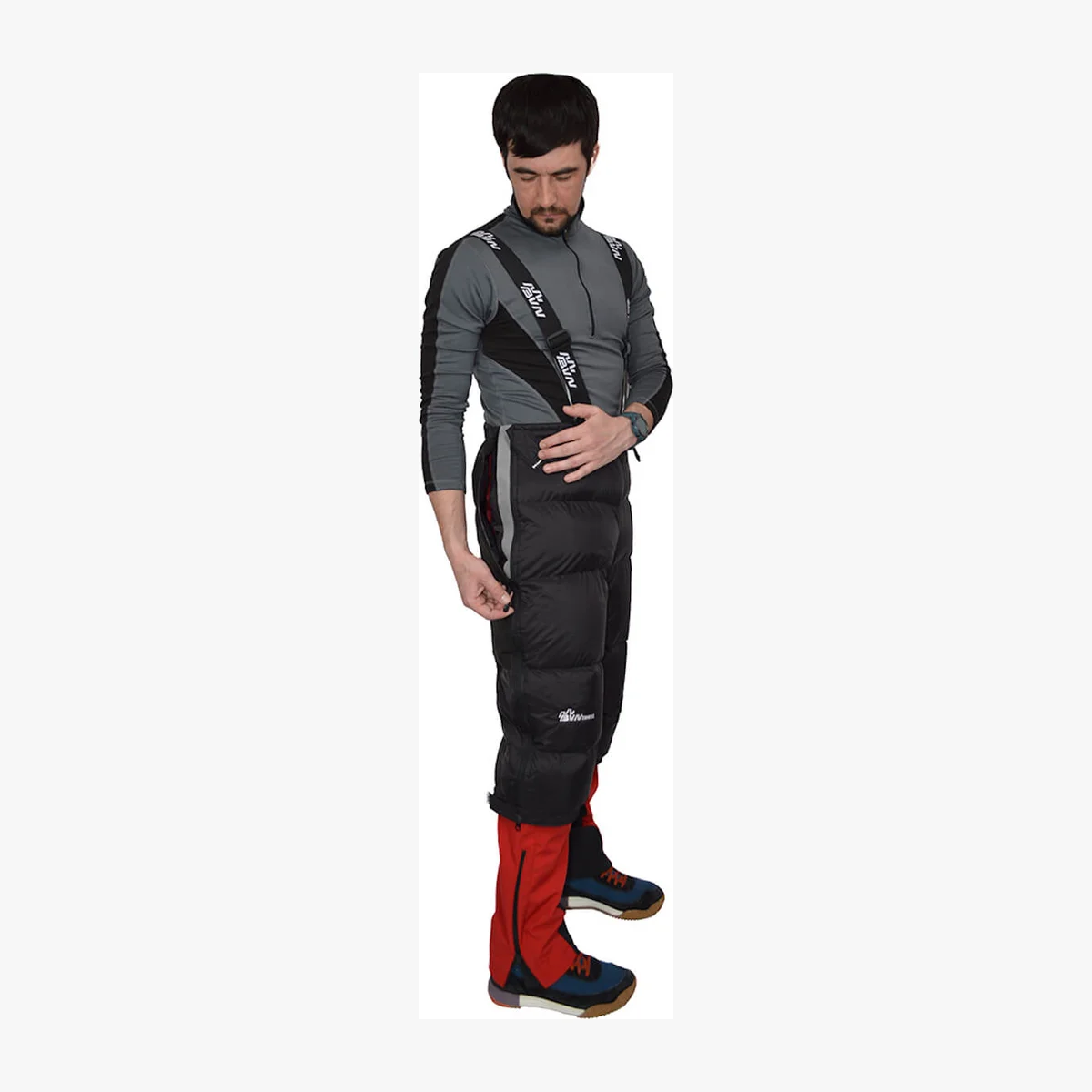
Rent 3/4 down shorts for Mount Elbrus
Build a flexible system around the route, forecast and your guide’s list.
$7.00 / day
BVN three-quarter down shorts add insulation around the hips, thighs and knees without covering the full lower leg. They can be useful during cold waits or an early summit start when they fit the rest of the clothing system.
Daily rental in Terskol. Add the item to the Mount Elbrus calculator, then send your dates and size where applicable so we can confirm availability.
Pickup in Terskol · sizes and deposit confirmed before collection
Price checked on 2026-10-27. A rental team member confirms the exact model, size or set contents and availability for your dates.
3/4 down shorts rental for Elbrus: what to know
This is an optional insulation layer rather than a universal requirement. Some climbers rely on base, fleece and shell layers; others add down according to season, forecast and personal cold tolerance. Confirm the planned system with your guide.
How to choose 3/4 down shorts
- Try them over the layers you expect to wear, including shell pants if applicable.
- Check that the waist and leg length allow movement without compressing insulation.
- Decide whether they must be put on without removing boots or crampons.
What to check before you rent
- Inspect zips, waist adjustment, insulation distribution and outer fabric.
- Practice the intended layering order before collection.
- Keep down protected from moisture inside the backpack.
How to fit, layer and inspect BVN 3/4 down shorts
BVN three-quarter down shorts add insulation around the hips, thighs and knees during early starts, low activity and prolonged waiting in cold conditions. They are an additional insulating layer, not a replacement for base layers, walking pants or protection from wind and precipitation.
Decide where they sit in the clothing system
Confirm whether the actual item will be worn over or under the shell pants and how it interacts with gaiters, boots and harness. Do not build a plan from the product photograph alone. The route, weather and leader’s clothing system determine when the layer is added.
Fit over the intended layers
Wear the base layers and pants you plan to use during fitting. Check waist, seat, thigh and knee volume. The down should not be heavily compressed, while excessive loose fabric should not catch on equipment or slide during movement.
Test movement and harness compatibility
Raise each knee, take a long step, squat, bend and sit. If a harness is required, fit it with the intended clothing sequence and identify every structural point. The shorts should not hide buckles, prevent inspection or force the harness out of its correct position.
Practice adding and removing the layer
If the issued design has side zips or openings intended for use over footwear, operate them completely while wearing gloves and the expected boots. Check the correct start and finish of every fastener. Do not force a zip over a boot or crampon.
Inspect down distribution
Check outer and inner fabric, chambers, seams, waistband, zips, snaps and other closures. Look for empty zones, persistent clumping, dampness, tears or leaking down. Record previous patches and worn areas before collection.
Protect from water and sharp equipment
Keep the garment dry in a suitable bag until needed. Separate it from crampon points, ice screws, sharp ski edges and leaking fuel. Do not dry it on a stove or other high-heat surface and do not leave it tightly compressed longer than required for transport.
Collection checklist
- fit over the intended base and pant layers;
- check movement and any harness interaction;
- operate all zips and closures in gloves;
- inspect fabric, seams and down distribution;
- record existing wear, patches or dampness;
- confirm dry packing and return procedure.
Respond correctly to damage
If the shell tears, do not pull out the filling or continue rubbing the damaged area against equipment. Protect the opening temporarily as instructed and contact Rock’N’Rent. Down shorts do not guarantee warmth by themselves; the full clothing system, activity, wind, moisture and the individual remain decisive.
Warmth needs vary widely and down loses performance when wet. Treat these shorts as one part of a guide-approved layering and weather-protection system.
Equipment commonly considered with this item
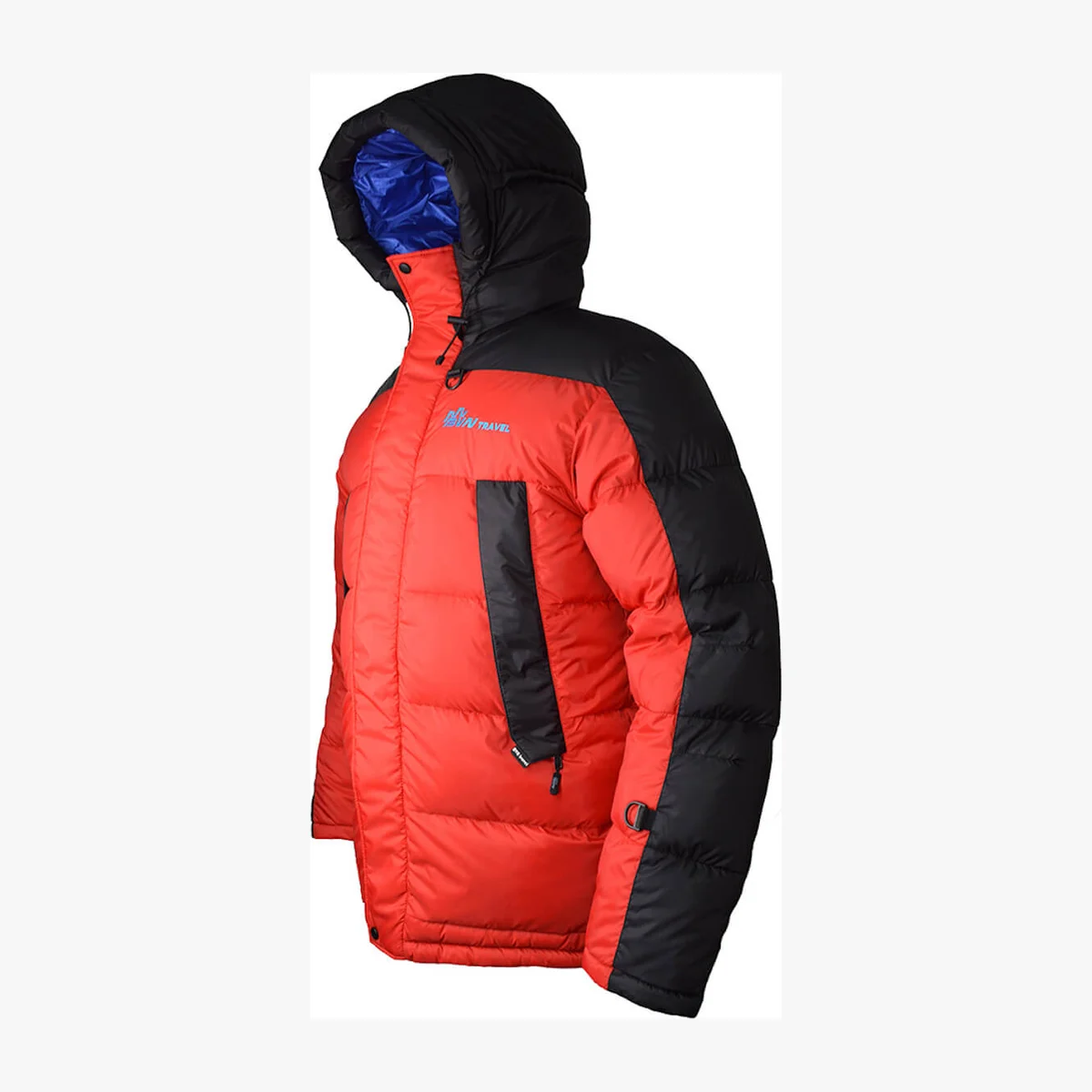
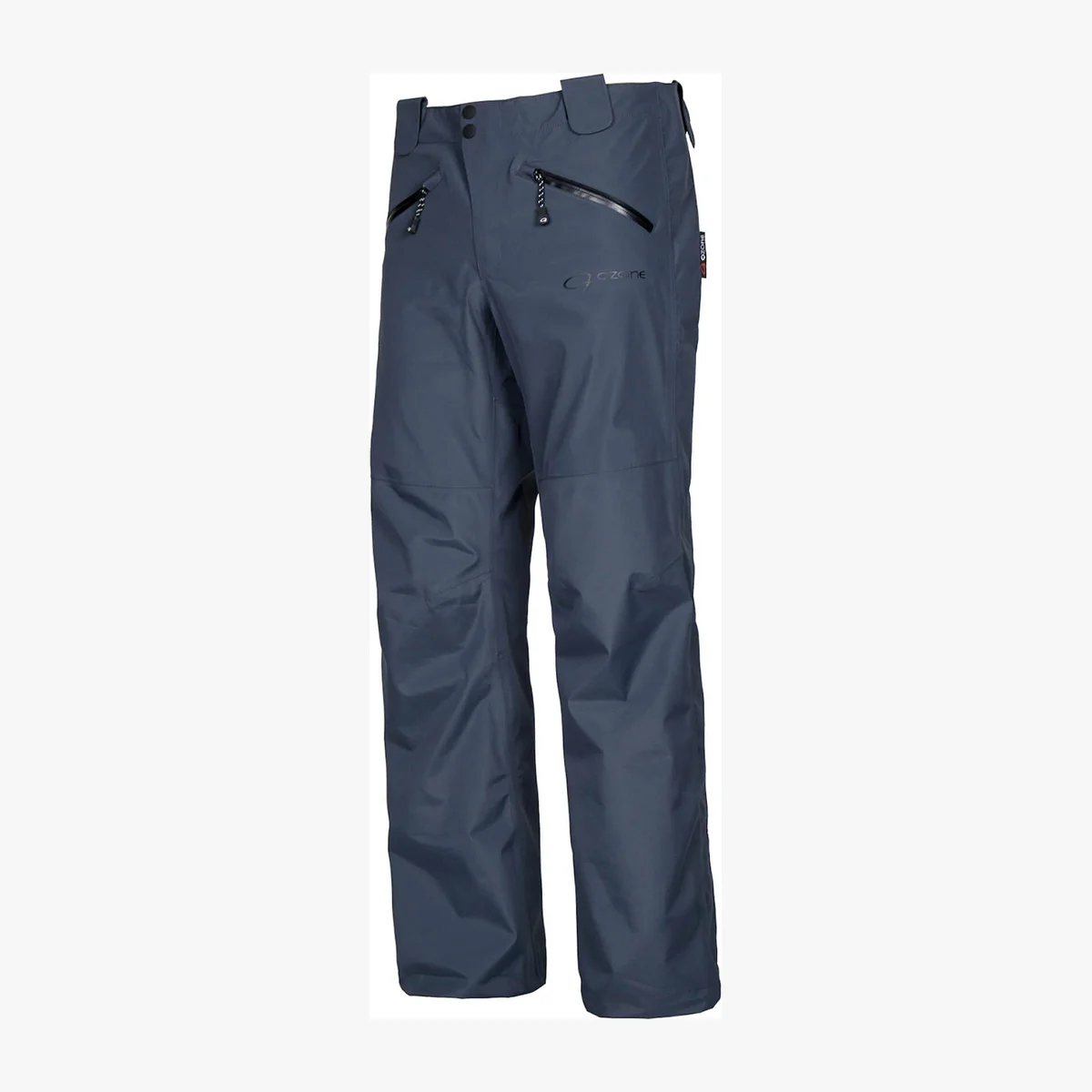
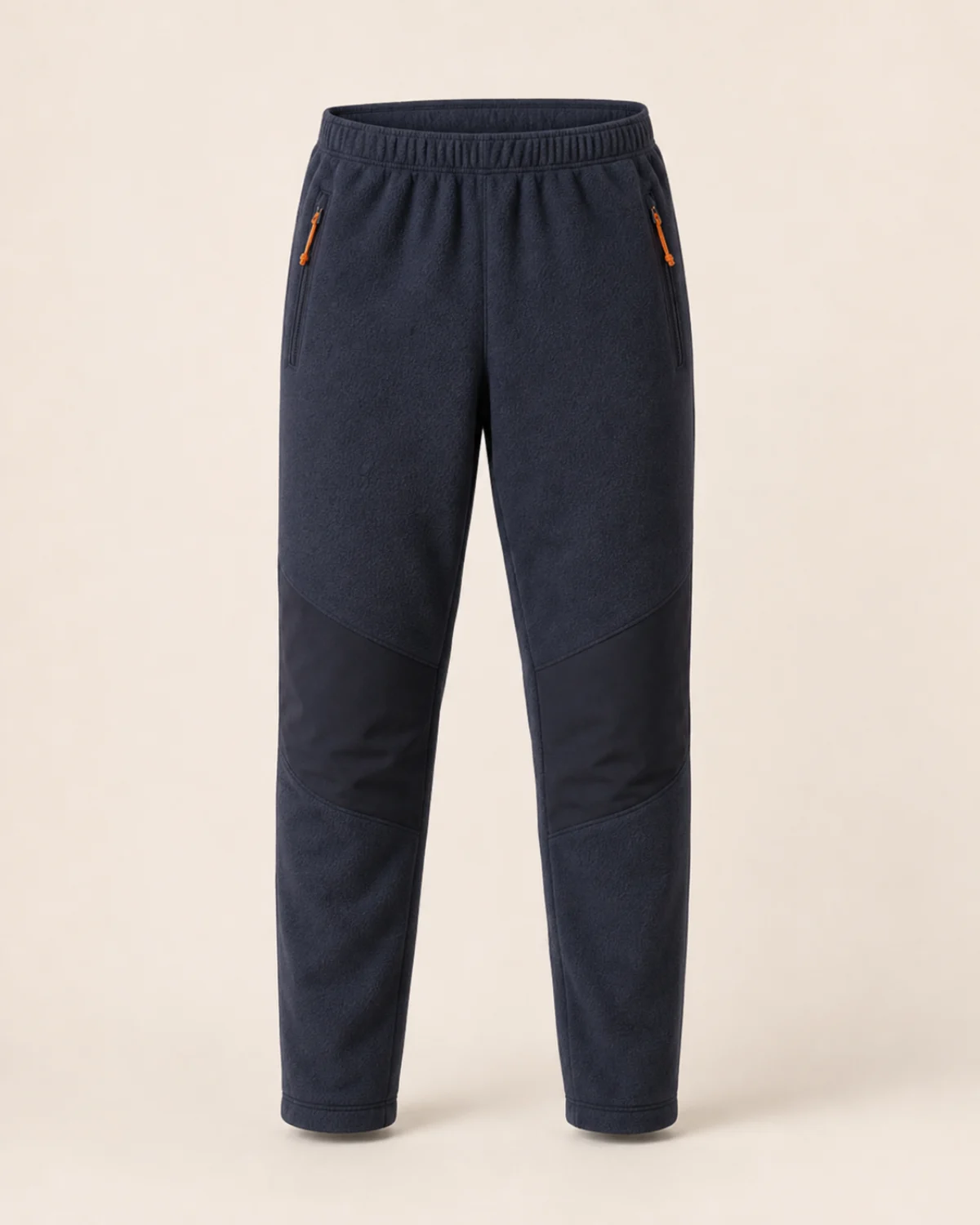
Add it to the calculator, then adjust days and quantity
The calculator uses the same live price per summer calendar day shown on this page. The minimum charge is one day and there is no automatic long-rental discount. Availability, fit and the final deposit are confirmed by Rock’N’Rent.
3/4 down shorts questions
Are down shorts mandatory for climbing Mount Elbrus?
Not for every program or person. They are an extra insulation option based on season, forecast, other layers and cold tolerance. Ask your guide whether they belong in your final list.
How do I reserve this item in Terskol?
Send Rock’N’Rent your dates, number of rental days and any required size on Telegram. We confirm the available item, fit where applicable, final price and deposit before collection in Terskol.
How is the rental price calculated?
The page shows the current price for one item per summer calendar rental day in US dollars, with a minimum charge of one day. Collect after 16:00 for use the next day and the rest of the collection day is free. Return by 11:00 after the last paid day so the return day is not charged. Availability, deposit and final amount are confirmed before collection.