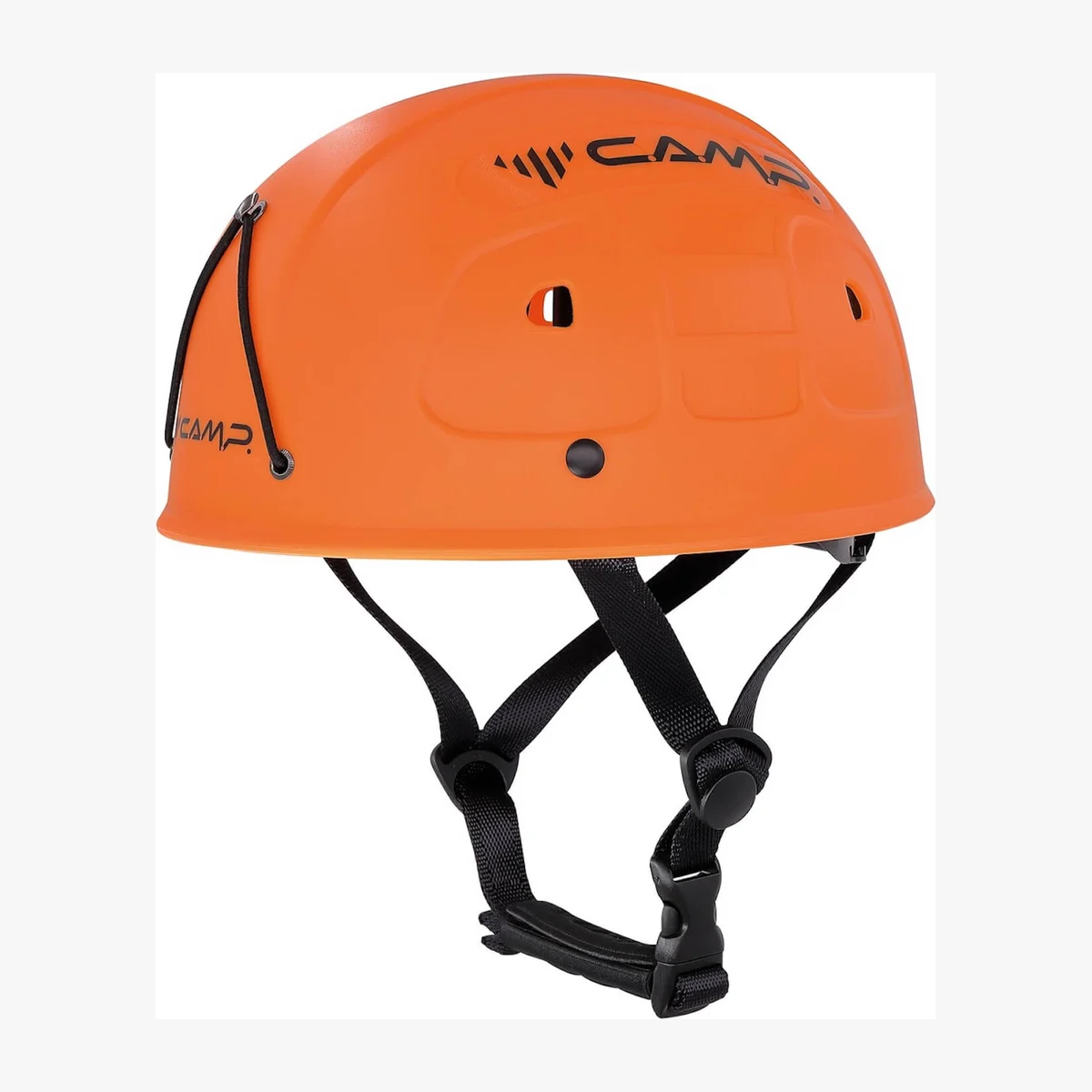
Rent a CAMP Rock Star helmet for Mount Elbrus
Technical equipment is selected and checked with the guide’s system in mind.
$3.00 / day
A climbing helmet helps reduce injury from some impacts and falling objects during technical training and route sections where the guide requires one. It must remain secure with the hat, balaclava or hood you plan to wear.
Daily rental in Terskol. Add the item to the Mount Elbrus calculator, then send your dates and size where applicable so we can confirm availability.
Pickup in Terskol · sizes and deposit confirmed before collection
Price checked on 2026-10-27. A rental team member confirms the exact model, size or set contents and availability for your dates.
CAMP Rock Star helmet rental for Elbrus: what to know
Helmet requirements depend on the program, conditions and group procedures. Fit is especially important when a warm cap, hood or headlamp is used, because straps and shell position must remain stable.
How to choose a CAMP Rock Star helmet
- Adjust the cradle and chin strap over the headwear you expect to use.
- Check that the helmet remains level when you look up, down and side to side.
- Confirm compatibility with goggles, sunglasses, hood and headlamp.
What to check before you rent
- Inspect shell, cradle, straps, buckles and adjustment system.
- Do not conceal damage or modify the helmet to improve fit.
- Report any significant impact to the rental staff and do not reuse the helmet until it has been checked.
How to fit, inspect and collect a CAMP Rock Star helmet
The CAMP Rock Star climbing helmet is available to rent for Mount Elbrus climbs; it is protective equipment for activities that require this category of head protection. It can reduce some head-impact exposure but cannot protect against every falling object, collision or fall. The issued helmet must be identifiable, within the owner’s inspection system and correctly fitted to the actual user with the headwear and accessories planned for the route.
Confirm the correct helmet category
Use the activity-specific equipment requirement. A climbing helmet is not automatically interchangeable with a ski, cycling, construction or other helmet: standards, retention systems and intended impacts differ. If the exact activity and required category are uncertain, resolve that before choosing a size.
Identify the issued helmet
Check the manufacturer, model, size range, standards, production or traceability information and owner’s inventory mark. Labels must remain legible. Because Rock Star helmets have existed in more than one production period, do not assume age, service status or instructions from appearance alone. The rental’s inspection and retirement record is part of the safety check.
Fit the helmet level on the actual head
Open the adjustment system, place the helmet level rather than tilted back and center it over the head. Adjust the cradle gradually so the shell remains stable without painful pressure. Fasten and adjust the chin strap according to the helmet instructions. Move the head up, down and side to side; the helmet should follow without sliding over the eyes or exposing the forehead.
Check the strap around the ears and beneath the chin. It must not twist, press on the throat or prevent normal jaw movement. A helmet that reaches the end of its adjustment range without becoming stable is the wrong size or shape.
Test the complete headwear system
Repeat the fit with the thin hat or liner, hood, glasses, goggles and headlamp intended for use. Bulky headwear can lift the shell and reduce stability. The hood and lamp strap must not release the adjuster, open the buckle, cover the eyes or force the helmet backward. Headlamp clips must hold the strap without cracked or missing parts.
Check compatibility with movement and clothing
Turn the head fully, look up and down and raise the shoulders while wearing the backpack and shell. The pack, hood or high collar must not push the rear of the helmet forward. Confirm that glasses and goggles remain usable and that the user can operate the buckle and adjustment system in the intended gloves.
Inspect the shell and internal structure
Examine the entire outer shell and every visible internal component. Look for cracks, deep dents, crushing, deformation, separation, soft or discolored areas, heat or chemical damage and unauthorized holes or repairs. Check the cradle, adjustment wheel or band, padding, straps, stitching, buckles, rivets and headlamp attachments.
Impact history matters even when damage is hidden
A helmet may need to be removed from service after a significant impact even when the outside appears normal. Rock’N’Rent controls inspection history and retirement; the renter must report every impact, heavy object strike, crushing event or chemical contact. Do not continue using the helmet automatically after such an event.
Cleaning and transport
Do not apply solvents, fuel, paint, unapproved stickers, adhesive labels or insect repellent to the shell. Do not drill, cut padding, alter straps or hide damage. Pack the helmet where it cannot be crushed by boots, metal equipment or luggage, and keep sharp tools away from the straps and shell.
Collection checklist
- confirm the climbing-helmet category for the activity;
- identify model, size, markings and rental inspection status;
- fit it level on the actual user and secure the chin strap;
- test stability through full head movement;
- check hat, hood, glasses, goggles and headlamp compatibility;
- inspect shell, internal structure, straps, buckle and adjuster;
- confirm the reporting procedure after impact or contamination;
- record existing wear and damage.
Choose another helmet when uncertain
If the fit is unstable, identification is incomplete, a component is damaged or impact history is uncertain, do not issue or modify the helmet. Select another inspected helmet and contact Rock’N’Rent.
A helmet reduces some impact risks but cannot protect against every event. Follow the guide’s spacing, terrain and movement instructions.
Equipment commonly considered with this item
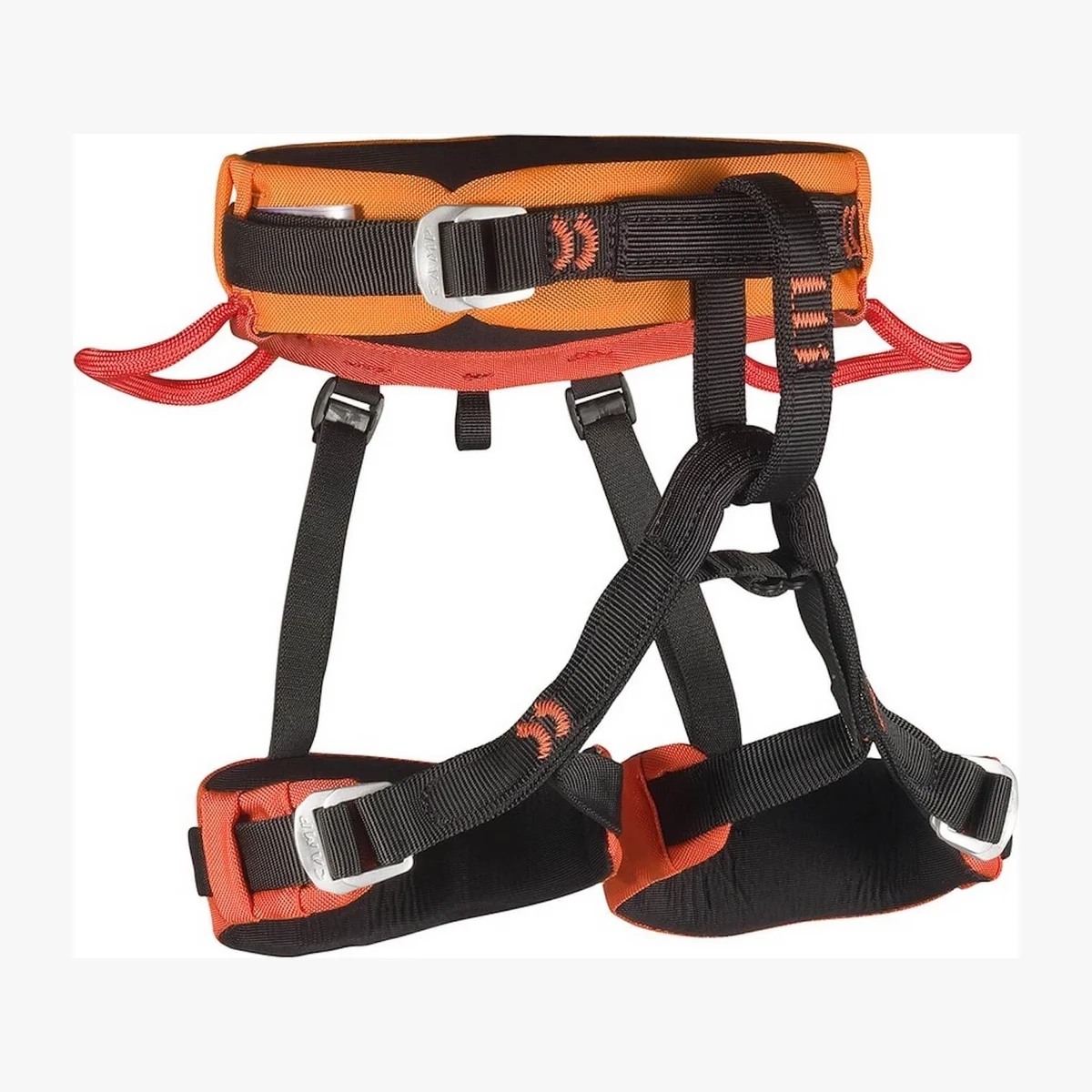
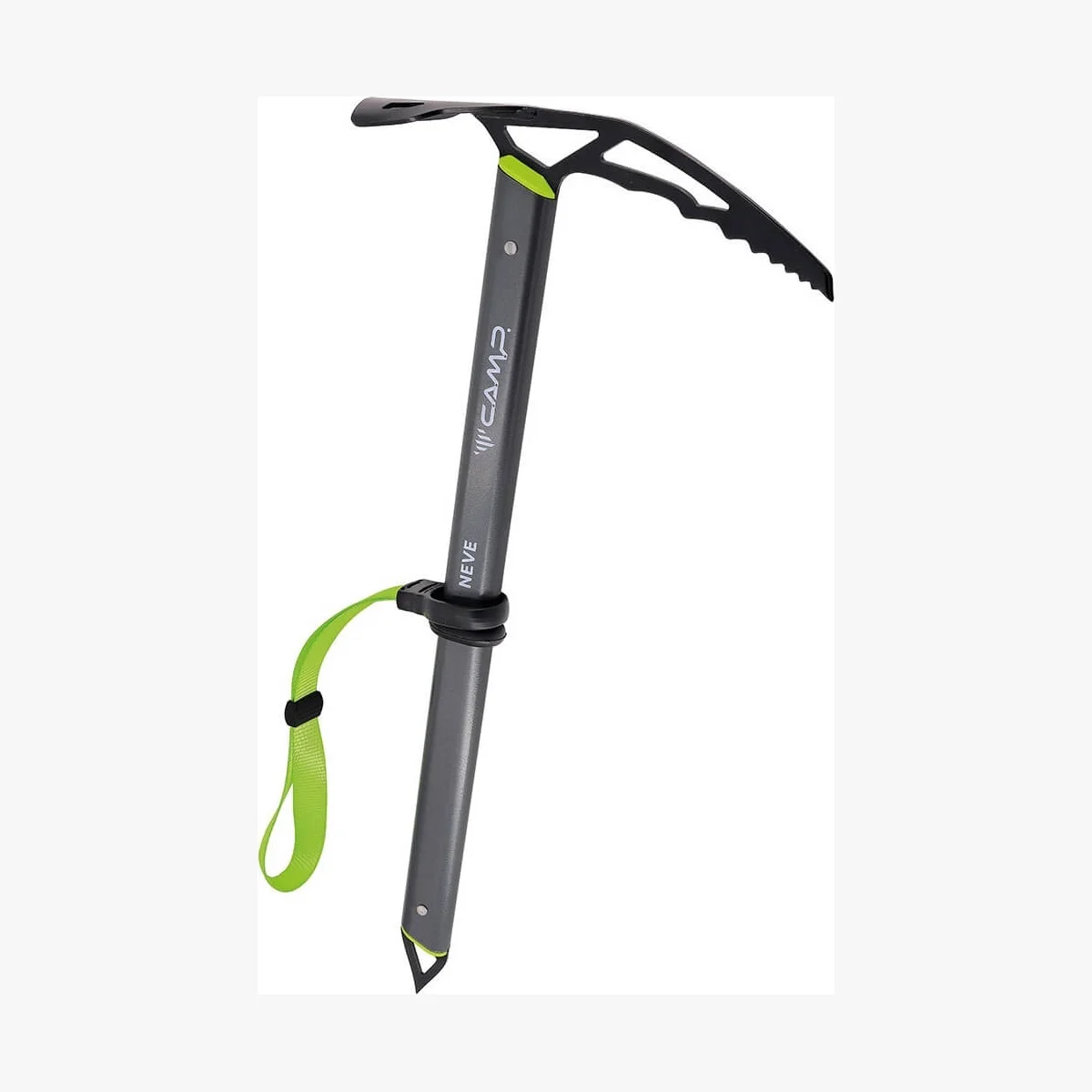
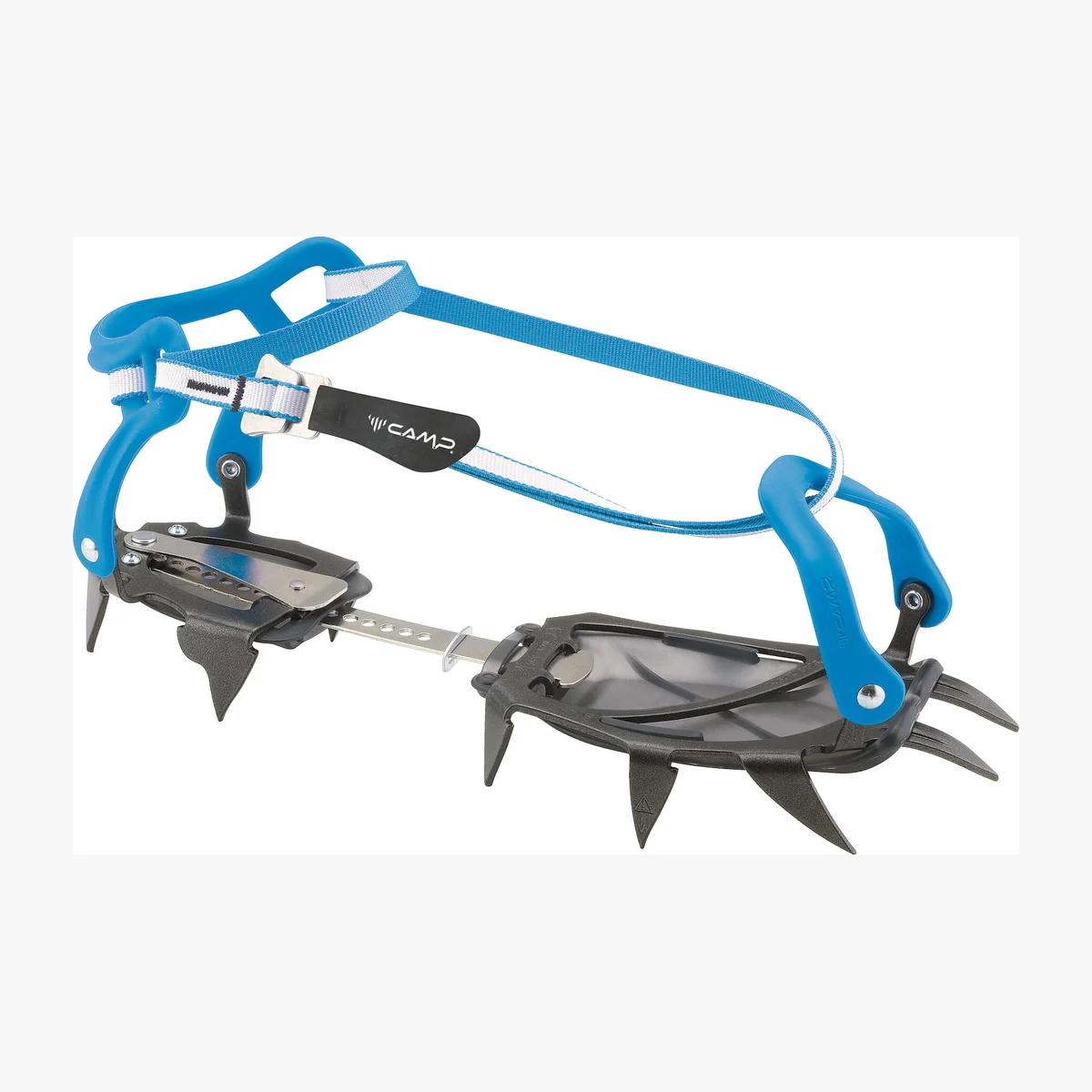

Add it to the calculator, then adjust days and quantity
The calculator uses the same live price per summer calendar day shown on this page. The minimum charge is one day and there is no automatic long-rental discount. Availability, fit and the final deposit are confirmed by Rock’N’Rent.
CAMP Rock Star helmet questions
Can I wear a warm hat under a climbing helmet on Elbrus?
Only if the helmet still fits and stays correctly positioned. Test the exact hat, hood and headlamp combination before collection.
How do I reserve this item in Terskol?
Send Rock’N’Rent your dates, number of rental days and any required size on Telegram. We confirm the available item, fit where applicable, final price and deposit before collection in Terskol.
How is the rental price calculated?
The page shows the current price for one item per summer calendar rental day in US dollars, with a minimum charge of one day. Collect after 16:00 for use the next day and the rest of the collection day is free. Return by 11:00 after the last paid day so the return day is not charged. Availability, deposit and final amount are confirmed before collection.