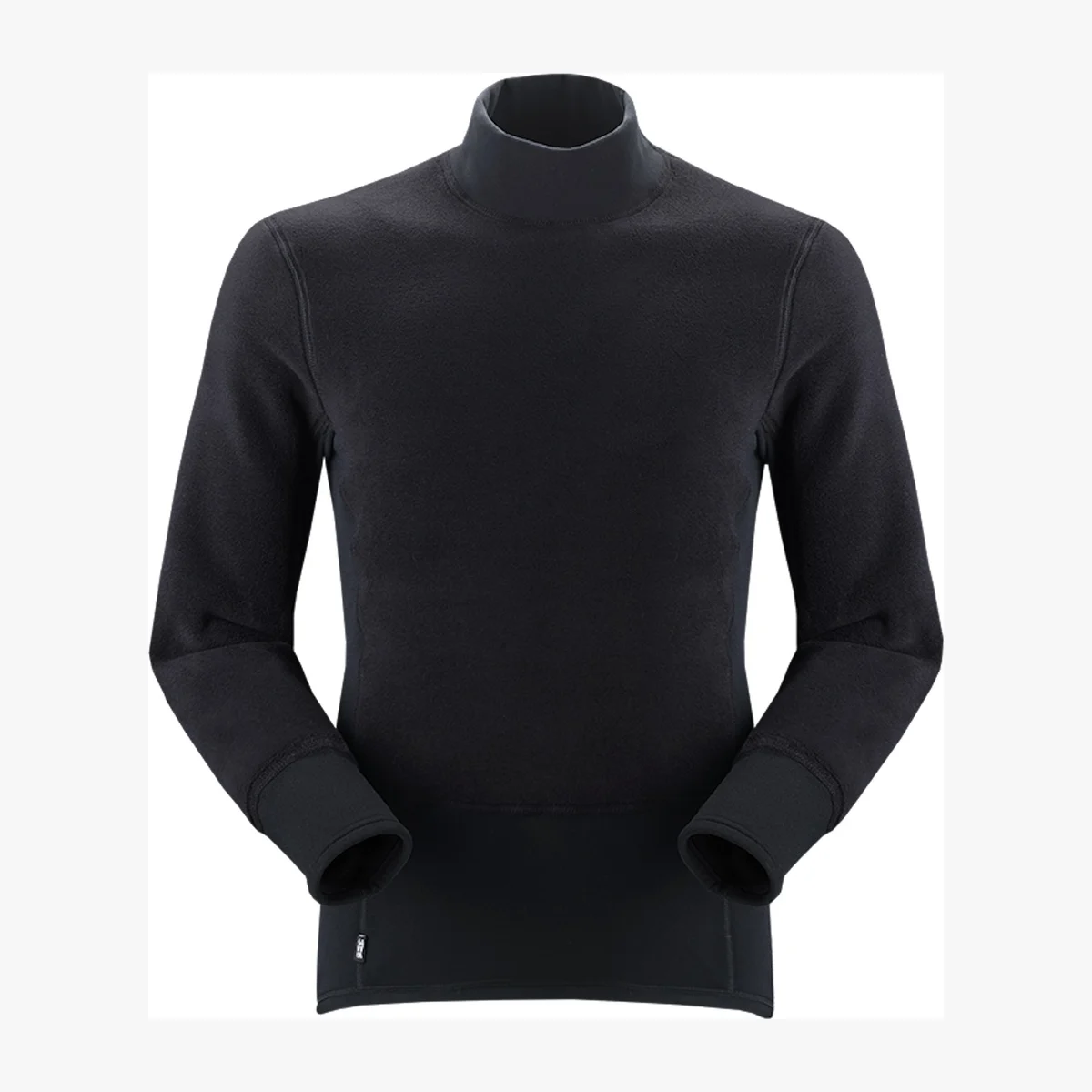
Rent an Ozone fleece pullover for Mount Elbrus
Build a flexible system around the route, forecast and your guide’s list.
$2.00 / day
A fleece pullover is a versatile insulating mid-layer for Elbrus acclimatization, camp and summit clothing systems. It should move moisture away from the base layer and fit comfortably under the shell.
Daily rental in Terskol. Add the item to the Mount Elbrus calculator, then send your dates and size where applicable so we can confirm availability.
Pickup in Terskol · sizes and deposit confirmed before collection
Price checked on 2026-10-27. A rental team member confirms the exact model, size or set contents and availability for your dates.
Ozone fleece pullover rental for Elbrus: what to know
Fleece remains useful across a wide range of activity levels, but it does not block strong wind or precipitation. Plan when it will be worn alone and when the waterproof shell or down layer goes over it.
How to choose an Ozone fleece pullover
- Try it over the intended base layer and beneath the shell jacket.
- Raise both arms and check shoulder and hem coverage.
- Make sure collar and zip work with a neck layer and harness if used.
What to check before you rent
- Inspect zip, collar, cuffs, seams and worn areas.
- Confirm the layering order does not restrict movement.
- Keep a dry insulating layer available for camp or emergencies.
How to choose, fit and inspect an Ozone fleece pullover
An Ozone fleece pullover is an active insulating mid-layer for trekking, acclimatization days and other suitable mountain use around Elbrus. It is worn over a moisture-managing base layer and normally beneath a windproof or waterproof shell. Fleece can remain comfortable during movement, but it is not a weather barrier and it is not the warm emergency layer needed for a cold stop.
Decide what the fleece has to do
Start with the whole clothing system, not the pullover in isolation. Confirm the expected temperature, wind and precipitation, the intensity of the activity, the planned base layer, shell and substantial warm jacket. A person who runs hot on an uphill approach may use the fleece only at a slower pace or in camp; another may wear it for much of the day. The route plan, current forecast and personal response to cold determine the combination.
Do not keep adding layers until every garment becomes tight. Compressed insulation traps less air, restricts movement and can reduce circulation at the cuffs, neck or beneath a harness. If the shell only closes by pulling hard across the shoulders or chest, change the size or layer combination.
Fit it over the real base layer
Use the actual base layer rather than a cotton T-shirt for the fitting. The pullover should sit close enough to avoid bulky folds, but it must not pull across the upper back, armpits or elbows. Raise both arms overhead, reach forward as if holding trekking poles, rotate the shoulders and bend at the waist. The hem should continue to cover the lower back without the collar lifting or the sleeves pulling far above the wrists.
Then put on the intended shell. Check that the two collars do not form a hard stack against the throat and that the cuffs can be arranged without a thick pressure ridge. If a climbing harness is relevant, put it on as well: the pullover must not bunch beneath the waist belt or leg-loop junctions.
Use the neck opening for early ventilation
A pullover is slower to remove than a full-zip jacket, so temperature control should begin before the base layer is soaked. Open the neck zip, adjust the shell and slow the pace when necessary. Test the zip pull with the gloves you expect to wear. It must run smoothly without catching the inner flap or nearby fabric. Close it before strong wind or a long stop removes heat rapidly.
Check the fit beneath a backpack
Load the backpack to a realistic weight and fasten its hip belt and shoulder straps. Walk, reach and turn. Seams, zip ends and folds should not create pressure beneath the straps. Check that the hem remains below the pack belt and that the collar does not push into the neck when the shoulder straps are tightened.
Inspect the issued garment
Rental fleece varies with use, so inspect the actual pullover rather than relying only on the size label. Check the neck zip, puller, collar, shoulder and side seams, cuffs, hem, elbows and the areas under backpack straps. Record holes, open stitching, heavy pilling, stretched panels, melted fibers, contamination and previous repairs before leaving the desk.
Manage moisture and drying
Fleece dries faster than many heavy insulating fabrics, but a wet pullover is not a dry spare. Protect it from rain and wet snow with the required shell. On a multi-day plan, allow time for airing and drying, and keep a separate dry insulating layer when the equipment list requires one. Do not place a rental garment directly on a heater, stove or open flame.
Collection checklist
- confirm the complete base, fleece, shell and warm-layer plan;
- try the pullover over the actual base layer and under the shell;
- test overhead reach, shoulder rotation and bending;
- check collar, cuffs and neck zip in gloves;
- wear the loaded backpack and harness when relevant;
- inspect seams, high-friction areas and previous repairs;
- record the size and condition of the issued garment.
Know the limitation
An Ozone fleece pullover adds active insulation; it does not guarantee warmth and does not replace a shell, a substantial belay or emergency jacket, or conservative decisions about weather. Select and use the complete clothing system for the actual route, season and forecast.
Fleece insulation needs weather protection in wind, rain or wet snow. Do not treat it as the outer summit layer.
Equipment commonly considered with this item
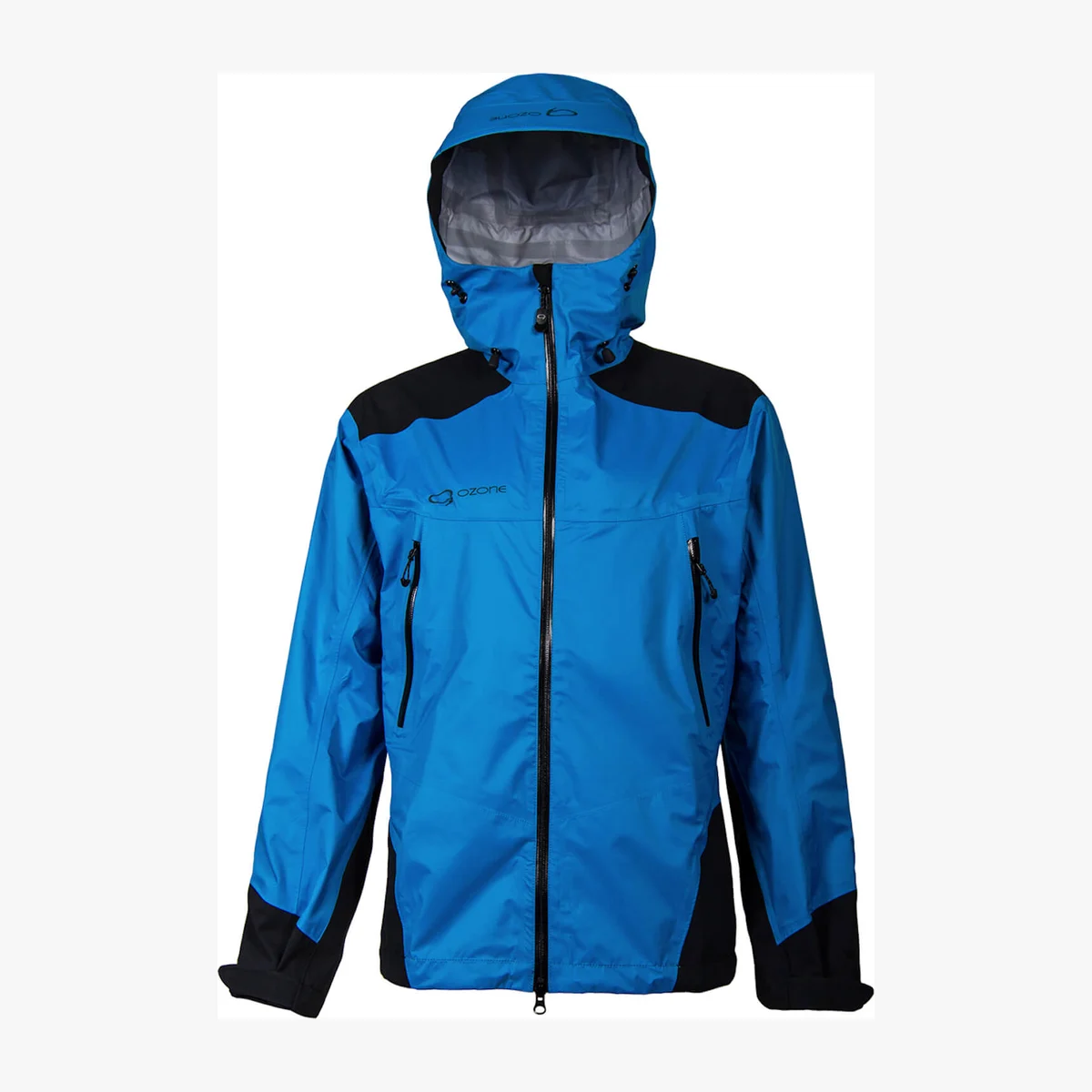
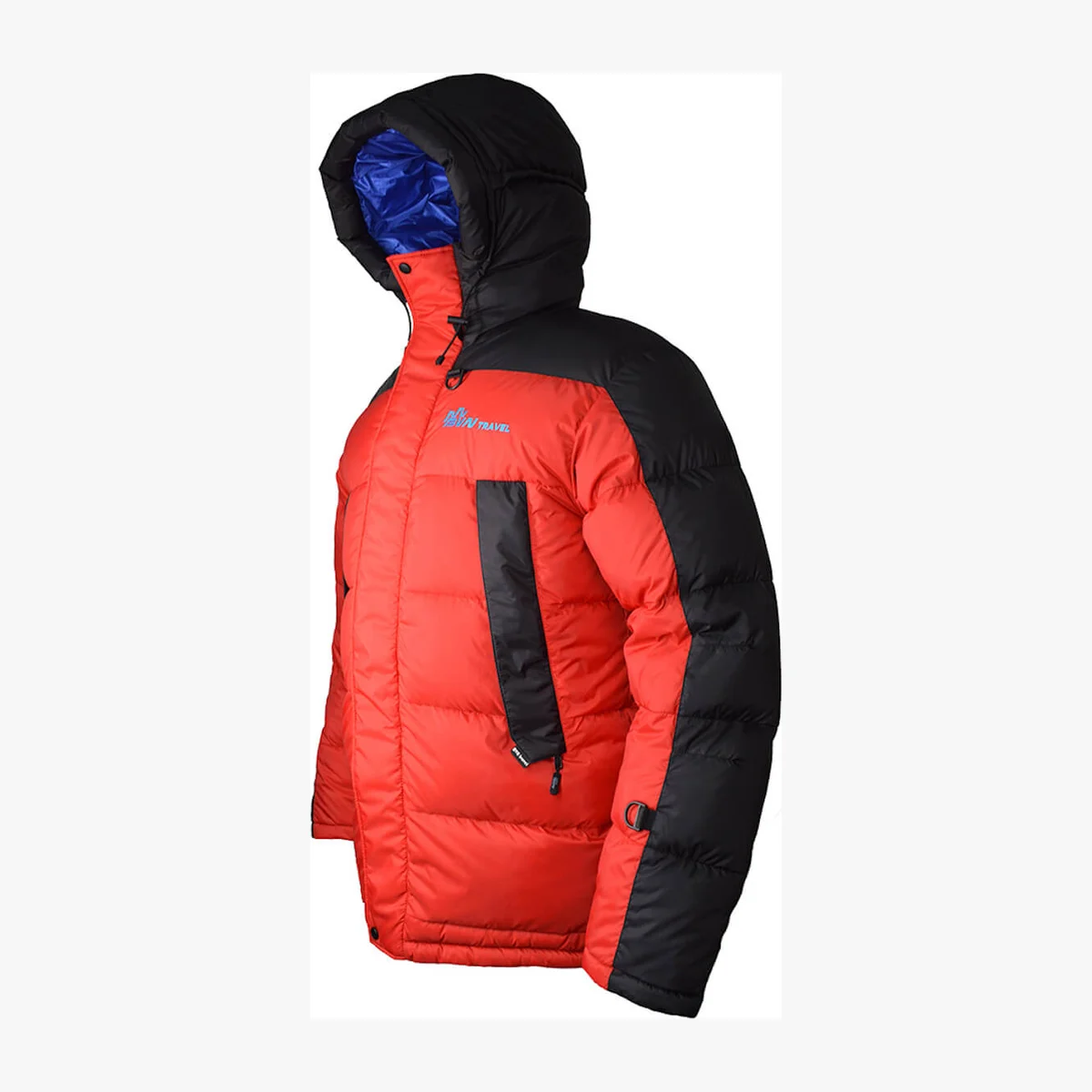
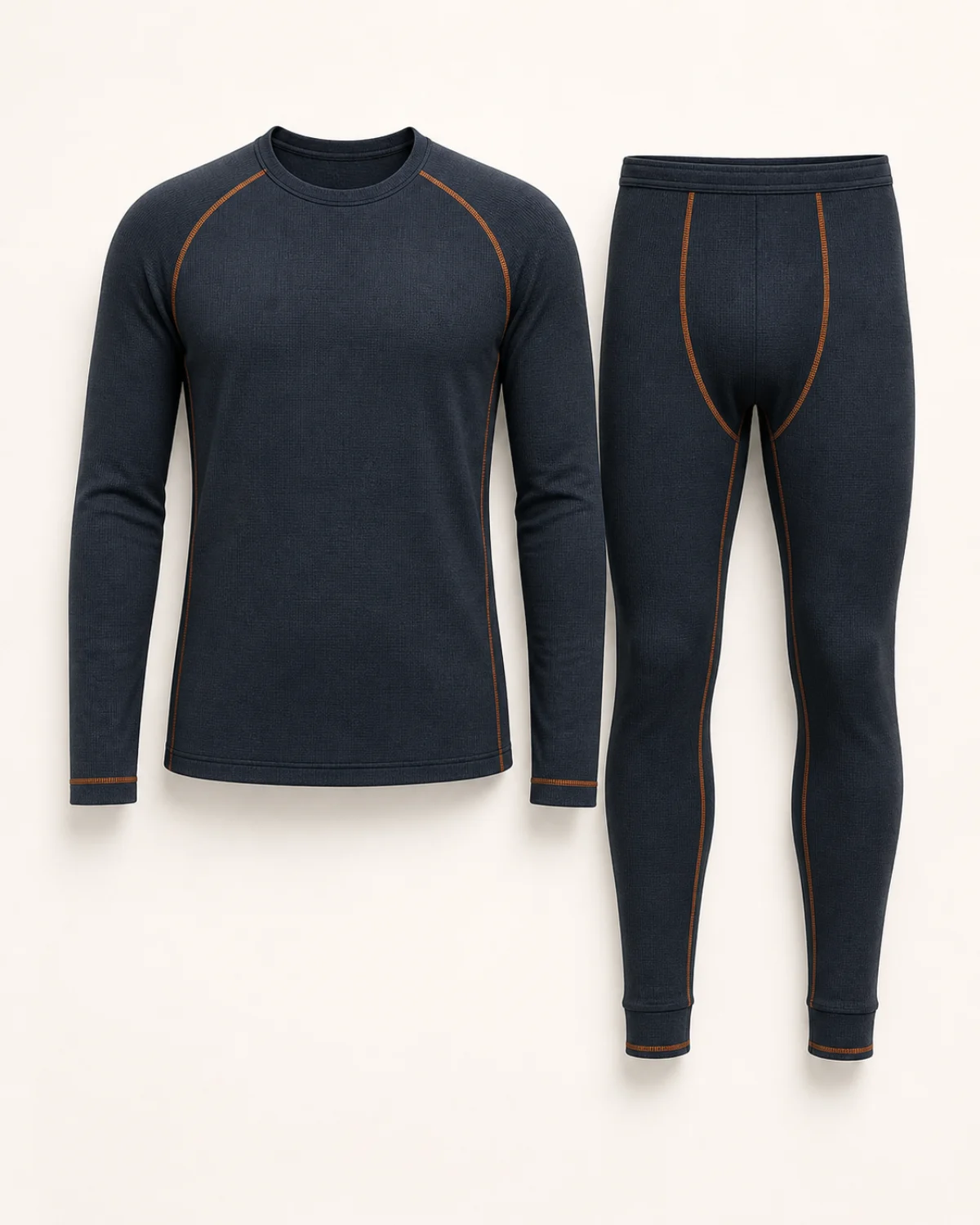
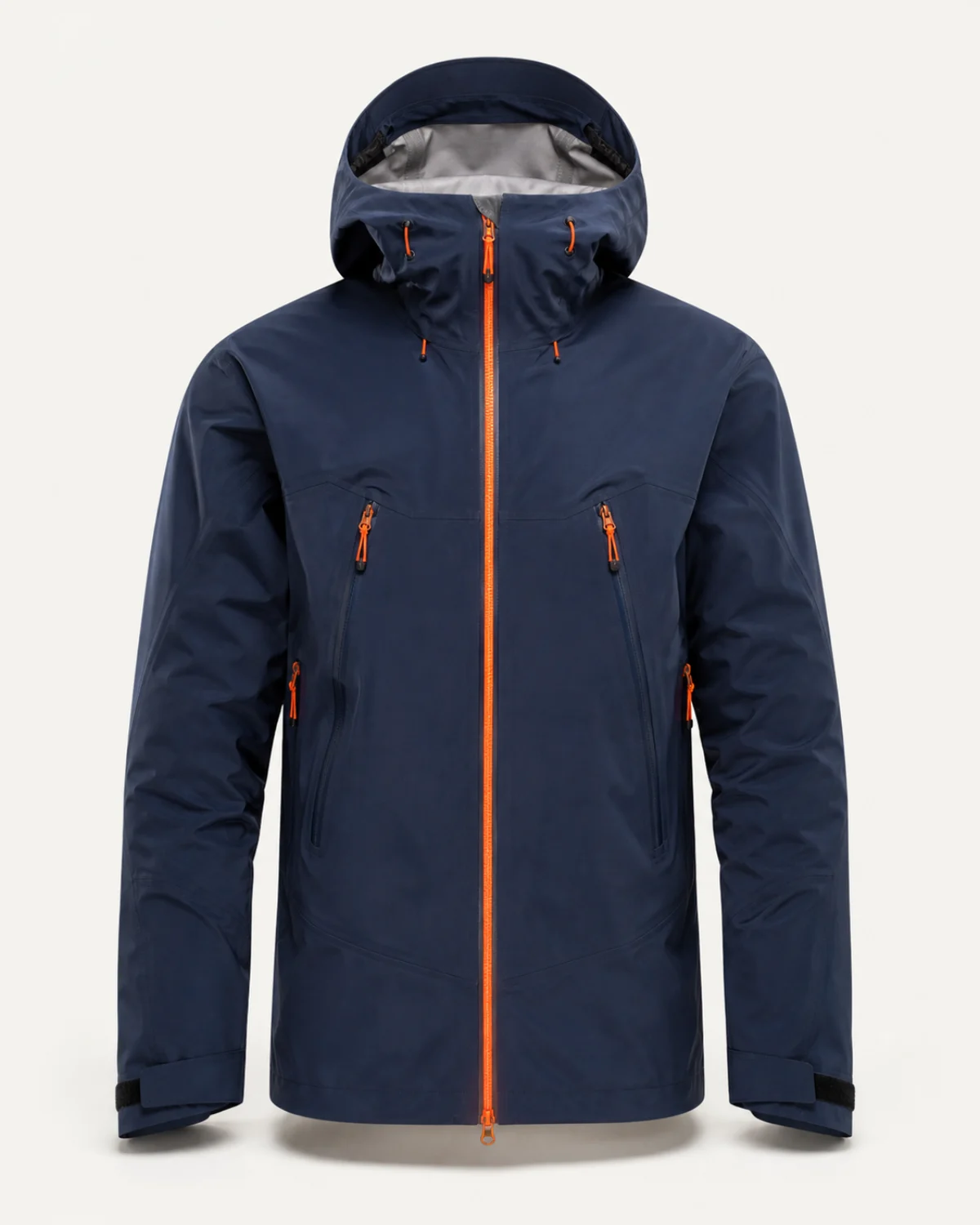
Add it to the calculator, then adjust days and quantity
The calculator uses the same live price per summer calendar day shown on this page. The minimum charge is one day and there is no automatic long-rental discount. Availability, fit and the final deposit are confirmed by Rock’N’Rent.
Ozone fleece pullover questions
What is a fleece layer used for on Mount Elbrus?
It provides breathable mid-layer insulation during acclimatization and colder stages. It is normally combined with a base layer and weatherproof shell.
How do I reserve this item in Terskol?
Send Rock’N’Rent your dates, number of rental days and any required size on Telegram. We confirm the available item, fit where applicable, final price and deposit before collection in Terskol.
How is the rental price calculated?
The page shows the current price for one item per summer calendar rental day in US dollars, with a minimum charge of one day. Collect after 16:00 for use the next day and the rest of the collection day is free. Return by 11:00 after the last paid day so the return day is not charged. Availability, deposit and final amount are confirmed before collection.