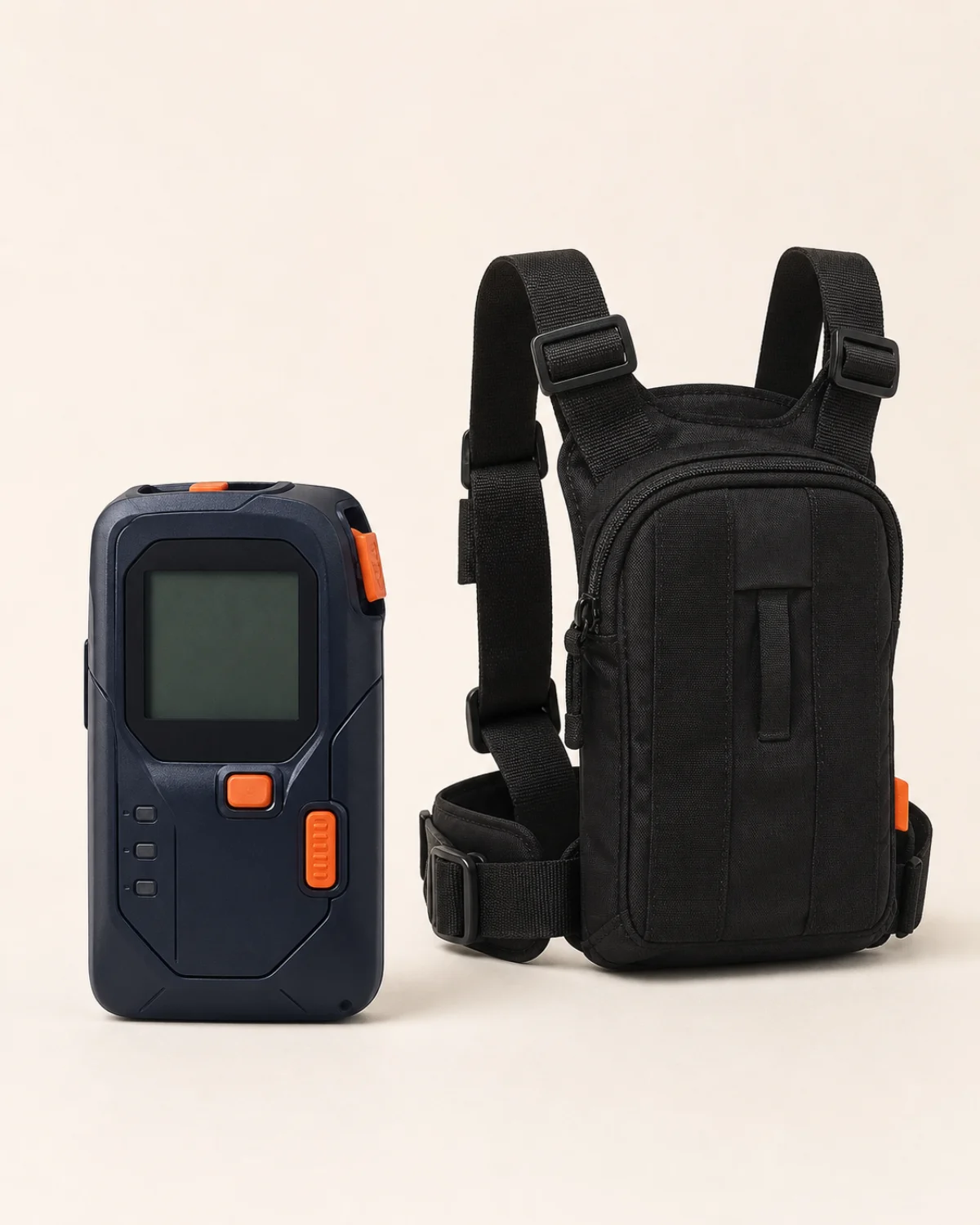
Rent ARVA Neo avalanche transceiver for Mount Elbrus
Confirm the role of each extra item with the current program and the guide.
$11.00 / day
An avalanche transceiver is one part of a rescue system for plans that leave controlled pistes or enter avalanche terrain. It must be paired with a probe, shovel, compatible team practice and informed terrain decisions.
Daily rental in Terskol. Add the item to the Mount Elbrus calculator, then send your dates and size where applicable so we can confirm availability.
Pickup in Terskol · sizes and deposit confirmed before collection
Price checked on 2026-08-26. A rental team member confirms the exact model, size and availability for your dates.
ARVA Neo avalanche transceiver rental for Elbrus: what to know
Whether an Elbrus activity requires avalanche equipment depends on route, snow conditions and the professional leading the group. A transceiver is not a protective device by itself; every person in the group needs to know the exact model and practise with the complete system.
How to choose ARVA Neo avalanche transceiver
- Confirm the required rescue kit and group protocol with the guide.
- Reserve one transceiver for every person when the plan calls for them.
- Arrange hands-on practice before entering avalanche terrain.
What to check before you rent
- Run the manufacturer-prescribed function and battery checks with the rental team.
- Confirm the carrying harness and controls before leaving Terskol.
- Pair the transceiver with a shovel and probe, not as a standalone item.
How to rent, carry and check an ARVA avalanche transceiver
An avalanche transceiver is one part of a personal rescue system that also includes a probe and shovel. It must be used by a practised group with a clear leader and an agreed departure check. Renting the device does not establish that terrain, conditions or the planned route are acceptable.
Confirm the exact device at collection
Identify the model actually issued and ask staff to show the controls used for power, transmit and search. Check the display, sound, buttons or switches, carrying system and battery indication. Do not rely on instructions for a different model that happens to look similar.
Use the specified power source
Check that the installed batteries are of the type required by the manufacturer and that the compartment closes correctly. Do not mix old and new cells or different cell types. A warning, damaged contact, unstable reading or unexpected shutdown requires resolution before departure.
Practise with the issued model
Each user should switch between transmit and search, follow a signal through the coarse and fine search phases, work with the probe and organise shovelling during a controlled exercise. Reading the display for the first time during an emergency is not preparation.
Complete a group check at every departure
The responsible leader should define and supervise a procedure confirming that every participant can transmit and that the required devices can search. The group should also confirm who carries the probes and shovels and that the rescue equipment is immediately accessible.
Carry it as designed
Use the supplied harness or the manufacturer-approved carrying method. The device should remain secured to the person and protected from loss, not left loose in a backpack. Put it on before entering the relevant terrain and follow the group procedure before removing or switching it off.
Manage electronic interference
Phones, radios, cameras, heated clothing, power banks and other electronics can interfere with avalanche-transceiver use. Follow the manufacturer’s current separation and operating instructions for the issued model, particularly during search. Do not invent one universal distance for every device and situation.
Inspect the full rescue kit
- confirm transceiver, probe and shovel for each required user;
- assemble the probe and shovel in gloves;
- check that the transceiver harness fits over the intended base layers;
- pack the probe and shovel for immediate access;
- record the model and condition in the issue document;
- confirm collection and return dates.
Know the limit of the equipment
A transceiver does not prevent an avalanche and cannot replace training, forecasting, terrain choices, spacing or a decision not to travel. Stop and contact Rock’N’Rent if the device displays an unfamiliar warning, cannot complete the group check or behaves inconsistently. The group leader determines whether the set and the plan are acceptable.
Avalanche rescue equipment does not prevent burial and cannot replace training, forecasting or conservative route decisions. Use it only within a competent group system.
Equipment commonly considered with this item
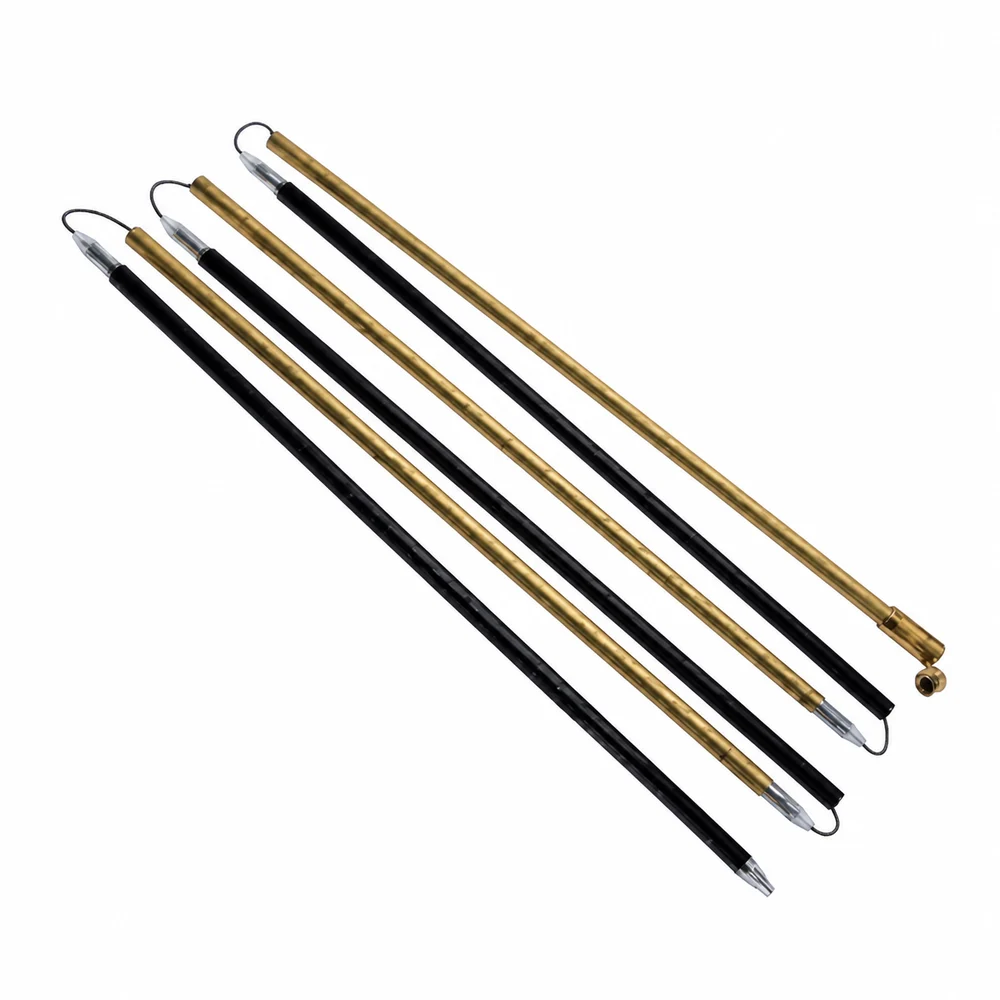
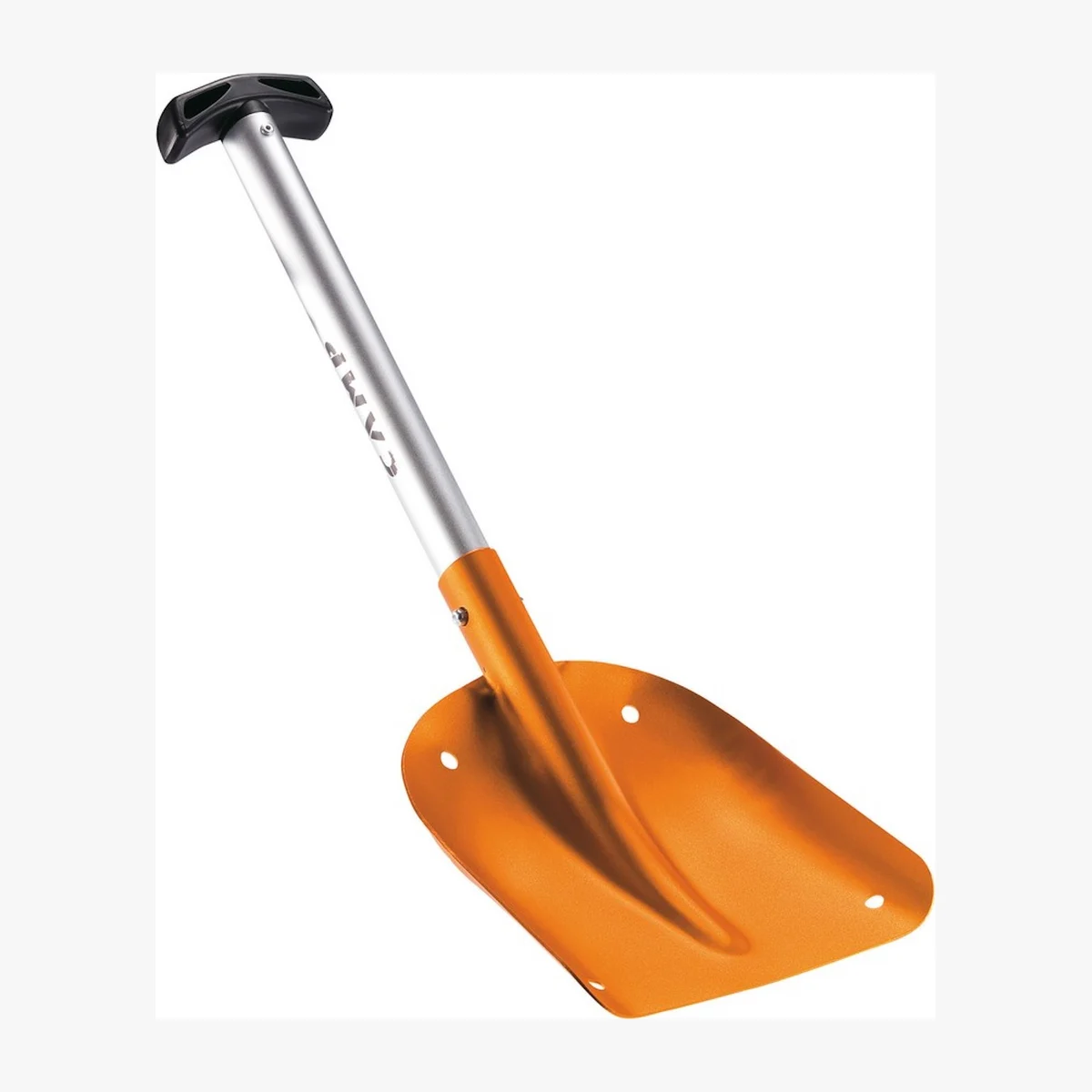

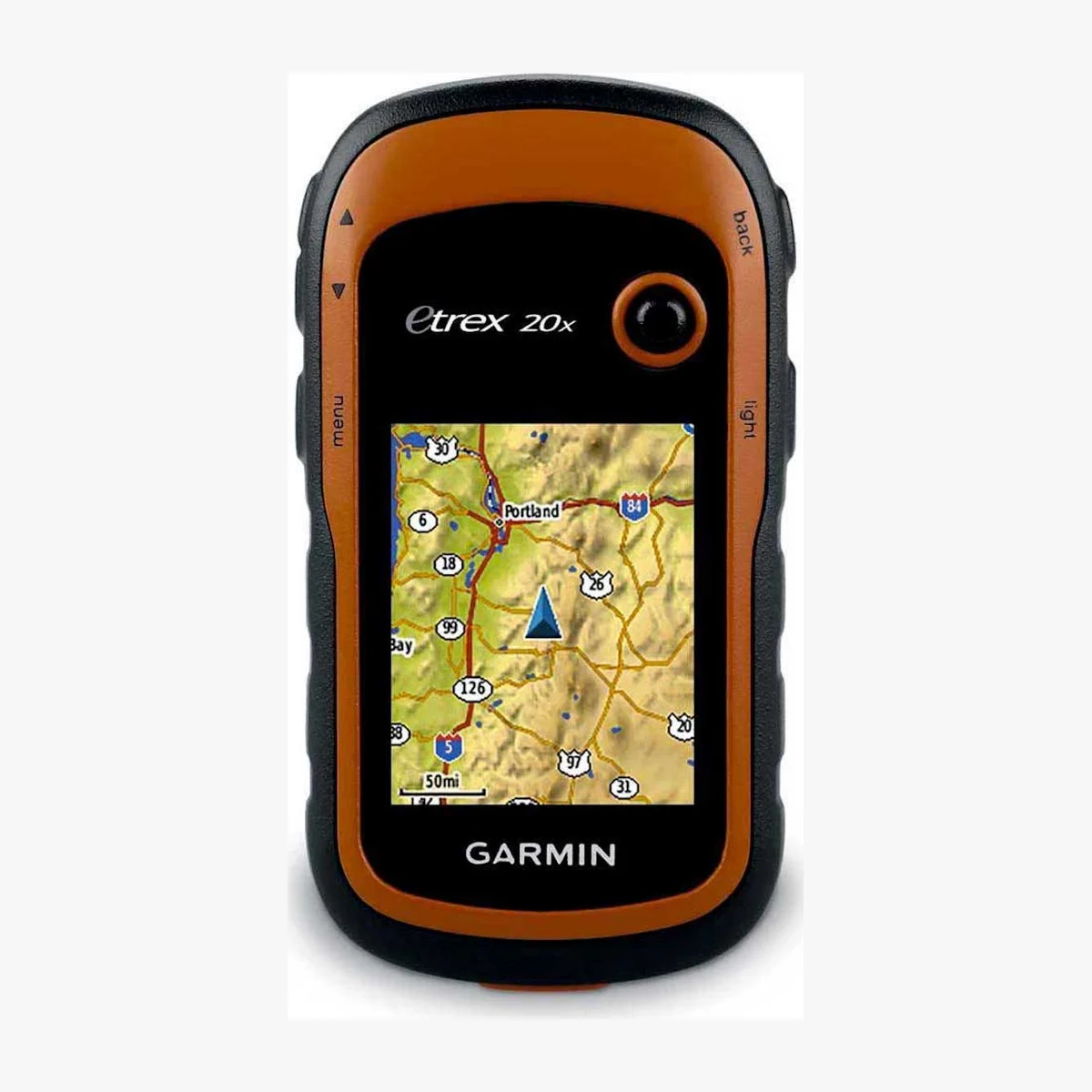
Add it to the calculator, then adjust days and quantity
The calculator uses the same live daily price shown on this page and applies only the documented seasonal discount: one 10% winter discount from four days or for more than four complete sets. The supplied summer rules do not document an automatic long-rental discount. Availability, fit and the final deposit are confirmed by Rock’N’Rent.
ARVA Neo avalanche transceiver questions
Can I rent only an avalanche transceiver for Elbrus backcountry use?
A transceiver should be treated as part of a transceiver, probe and shovel system used by a trained group. Confirm the complete kit and practice plan with your guide.
How do I reserve ARVA Neo avalanche transceiver in Terskol?
Send Rock’N’Rent your dates, number of rental days and any required size in Telegram. We confirm the available item, fit where applicable, final price and deposit before collection in Terskol.
How is the arva neo avalanche transceiver rental price calculated?
The page shows the current price for one item for one calendar rental day in US dollars. Winter rentals receive one 10% discount from four days or for more than four complete sets. The supplied summer rules do not document an automatic long-rental discount. Availability, deposit and final amount are confirmed before collection.