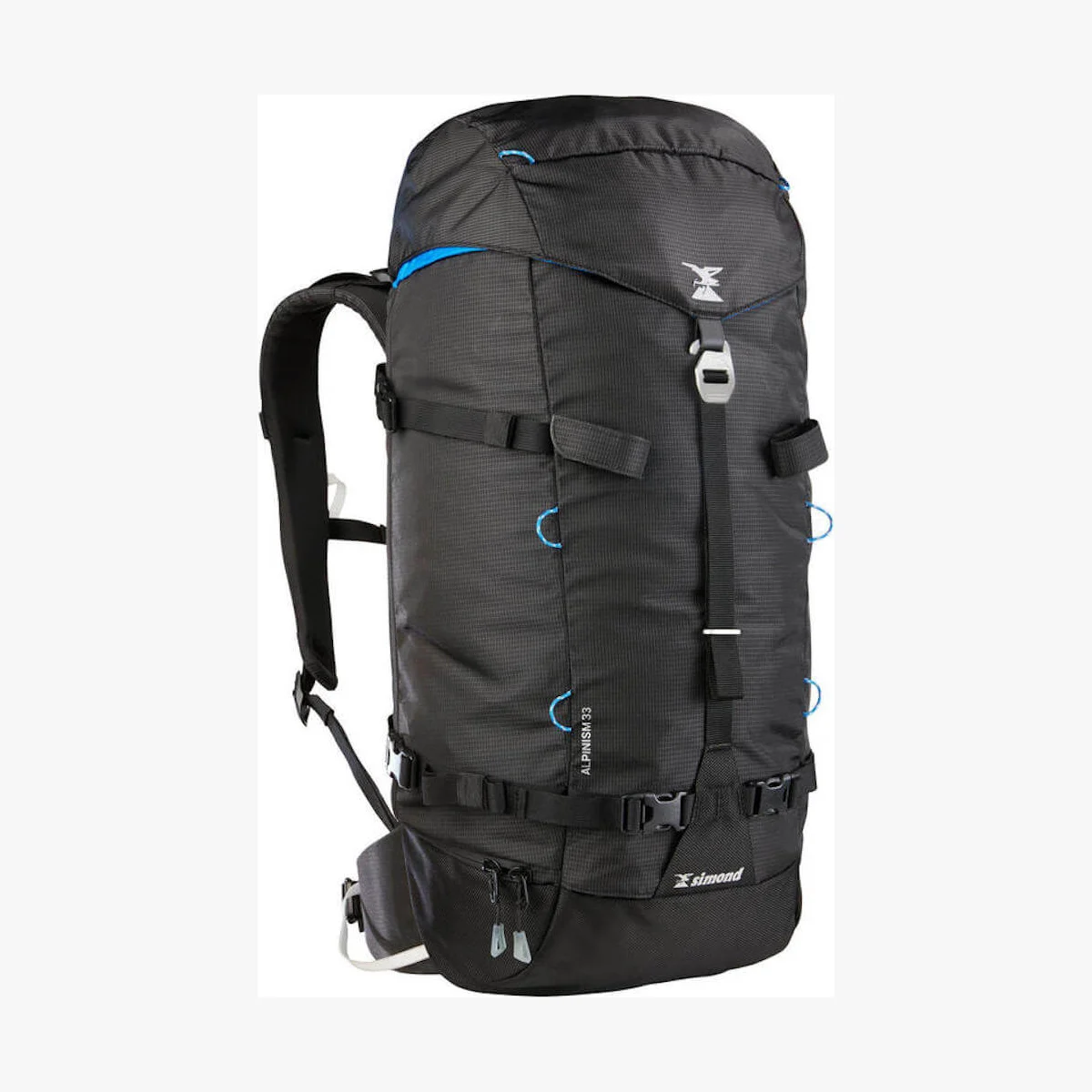
Rent a 20–35 L backpack for Mount Elbrus
Match capacity, completeness and intended use to the itinerary, accommodation and shared-load plan.
$4.00 / day
A 20–35 L backpack is a practical day-carrying range for many Mount Elbrus acclimatization walks and summit plans. The right volume depends on the clothing, food, water and shared equipment your program requires.
Daily rental in Terskol. Add the item to the Mount Elbrus calculator, then send your dates and size where applicable so we can confirm availability.
Pickup in Terskol · sizes and deposit confirmed before collection
Price checked on 2026-10-28. A rental team member confirms the exact model, size or set contents and availability for your dates.
20–35 L backpack rental for Elbrus: what to know
This pack range balances carrying space with freedom of movement. It can hold spare insulation, waterproof layers, a thermos, headlamp, eye protection and personal food, but the final load must be checked against your guide’s equipment list.
How to choose a 20–35 L backpack
- Test the shoulder straps and hip belt over the jacket you expect to wear.
- Pack bulky layers before deciding whether 20, 30 or 35 liters is enough.
- Check that frequently used items can be reached without unpacking the whole bag.
What to check before you rent
- Inspect straps, buckles, zips and compression points with the rental team.
- Ask whether a separate rain cover is needed for the selected pack.
- Do a short loaded fit check before collection.
How to fit and pack a 20–35 L backpack for Mount Elbrus
A 20–35 L backpack is a day-carrying range, not one fixed solution for every Mount Elbrus itinerary. The correct volume depends on mandatory clothing, food, water, personal equipment and the share of group gear. Confirm the current list before choosing the smallest pack.
Start with the complete packing list
Lay out every item that must be carried, including the warm layer, waterproofs, food, water, headlamp, eye protection and personal technical equipment where required. A pack is large enough only when the mandatory load fits without crushing insulation or leaving essential equipment behind.
Measure and adjust the back system
Where the pack allows adjustment, measure from the prominent vertebra at the base of the neck to the level of the iliac crests and set the harness accordingly. The hip belt should wrap the top of the pelvis rather than sit only on the waist, while the shoulder straps should follow the shoulders without a large gap.
Fit with the clothing used on the route
Try the backpack over the layers that will actually be worn. Tighten the hip belt first, then shoulder straps, load-control straps where present and the sternum strap. The sternum strap should stabilize the harness without restricting breathing.
Test it with the real load
Use the actual packed items or an equivalent verified weight. Walk, step up and down, turn and raise the arms. The pack should remain close to the back without pulling the shoulders backwards, bouncing or creating one concentrated pressure point.
Keep the load stable and accessible
Place dense items close to the back and prevent them from moving. Protect insulation, electronics and documents inside waterproof layers even when a rain cover is used. Keep items needed during the day accessible without hanging loose equipment where it can snag.
Do not overfill a small pack
A stretched zip, open lid or equipment tied outside may make the load unstable and expose essential items to weather. If the mandatory list does not fit, use a larger pack rather than removing warm or safety equipment.
Collection checklist
- confirm the current program packing list;
- adjust torso length and hip belt where possible;
- load the actual clothing, water and equipment;
- walk, step and raise the arms;
- inspect seams, zips, buckles and straps;
- record existing damage and match the pack to the issue document.
Reassess pain or instability
Numbness, sharp pressure, repeated shoulder-strap slipping or a load that moves independently requires a new adjustment or another backpack. Do not cut straps, alter the frame or repair rental equipment. Contact Rock’N’Rent and confirm the final capacity with the responsible route leader.
Your guide decides the minimum capacity and mandatory contents. Do not leave required warm or safety gear behind just to use a smaller pack.
Equipment commonly considered with this item
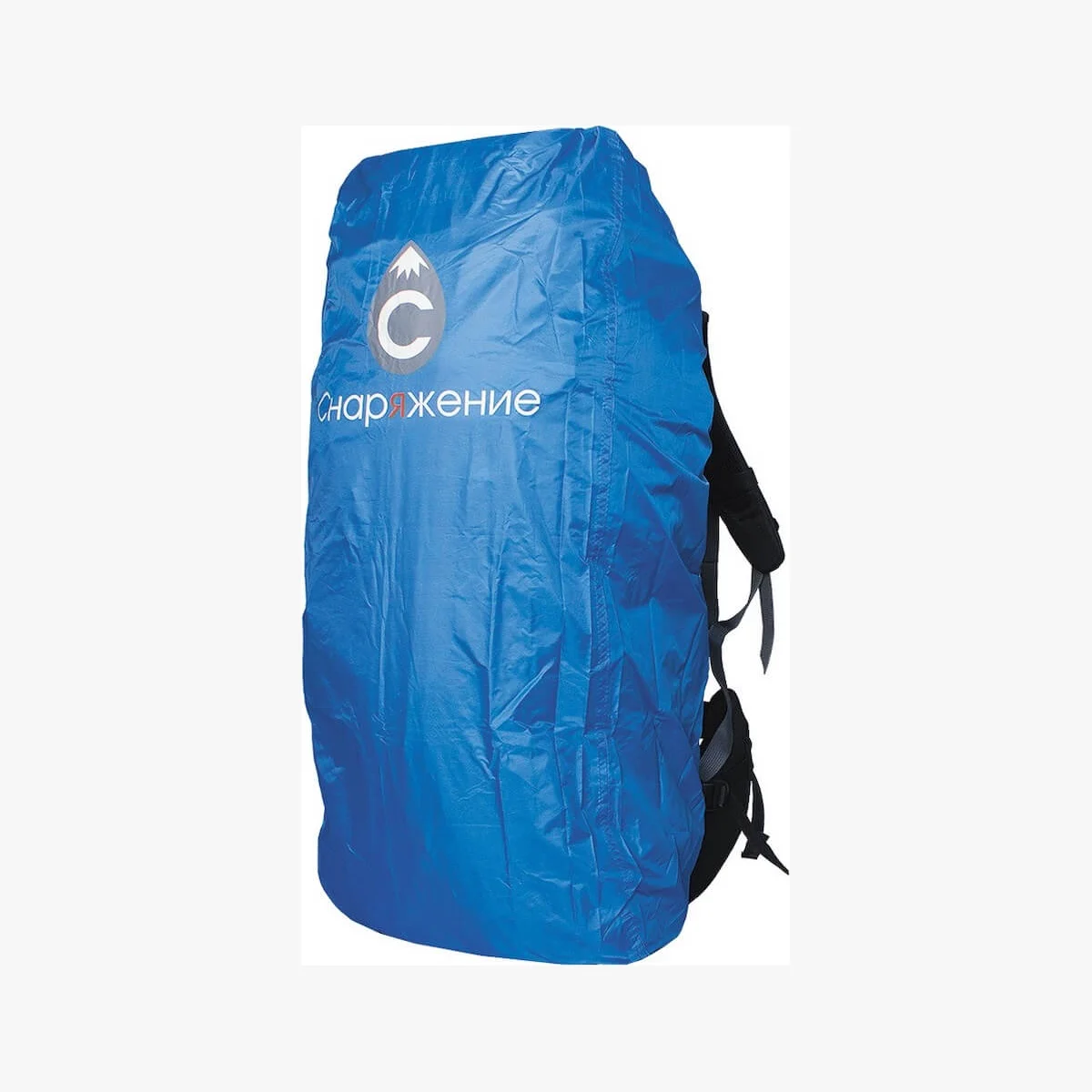
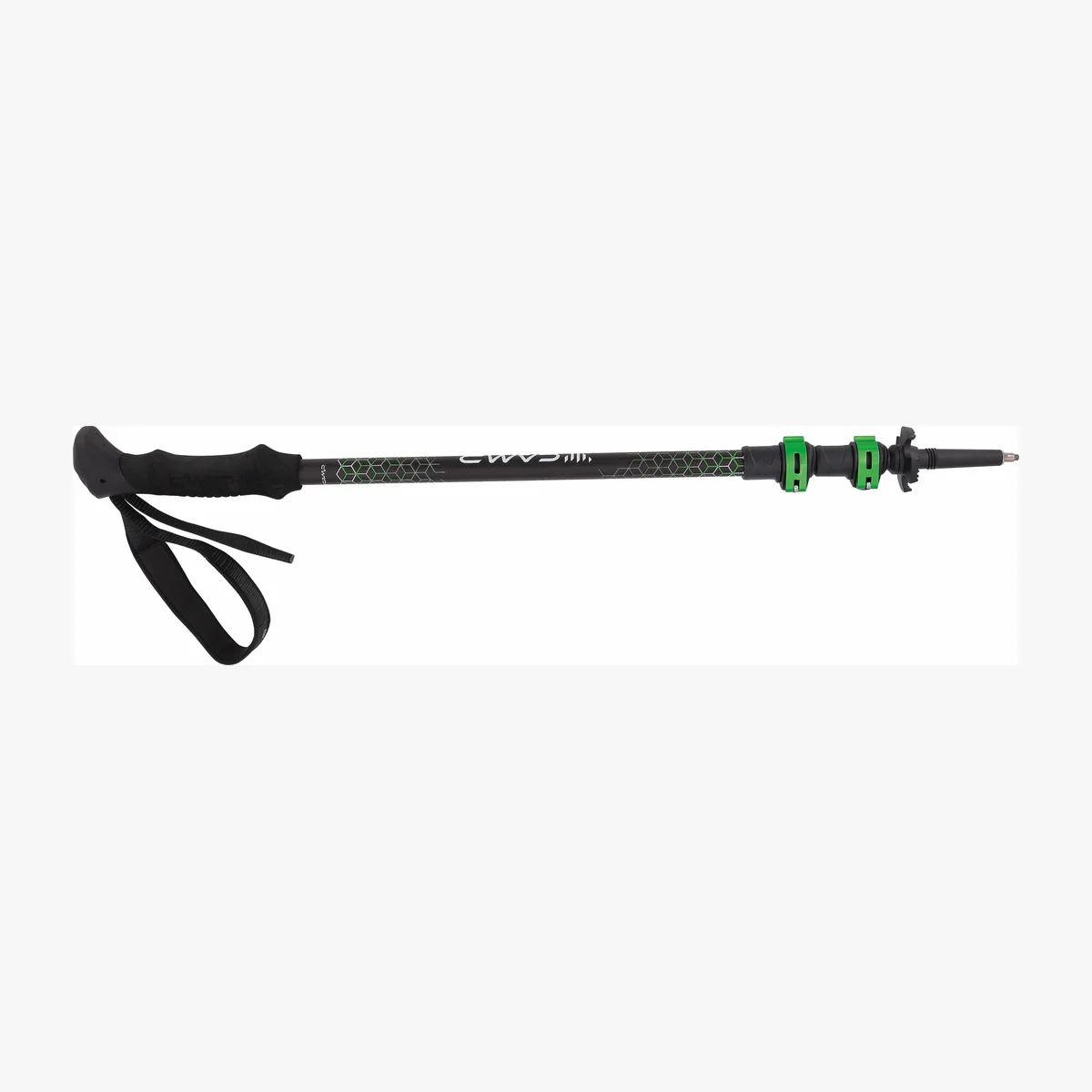

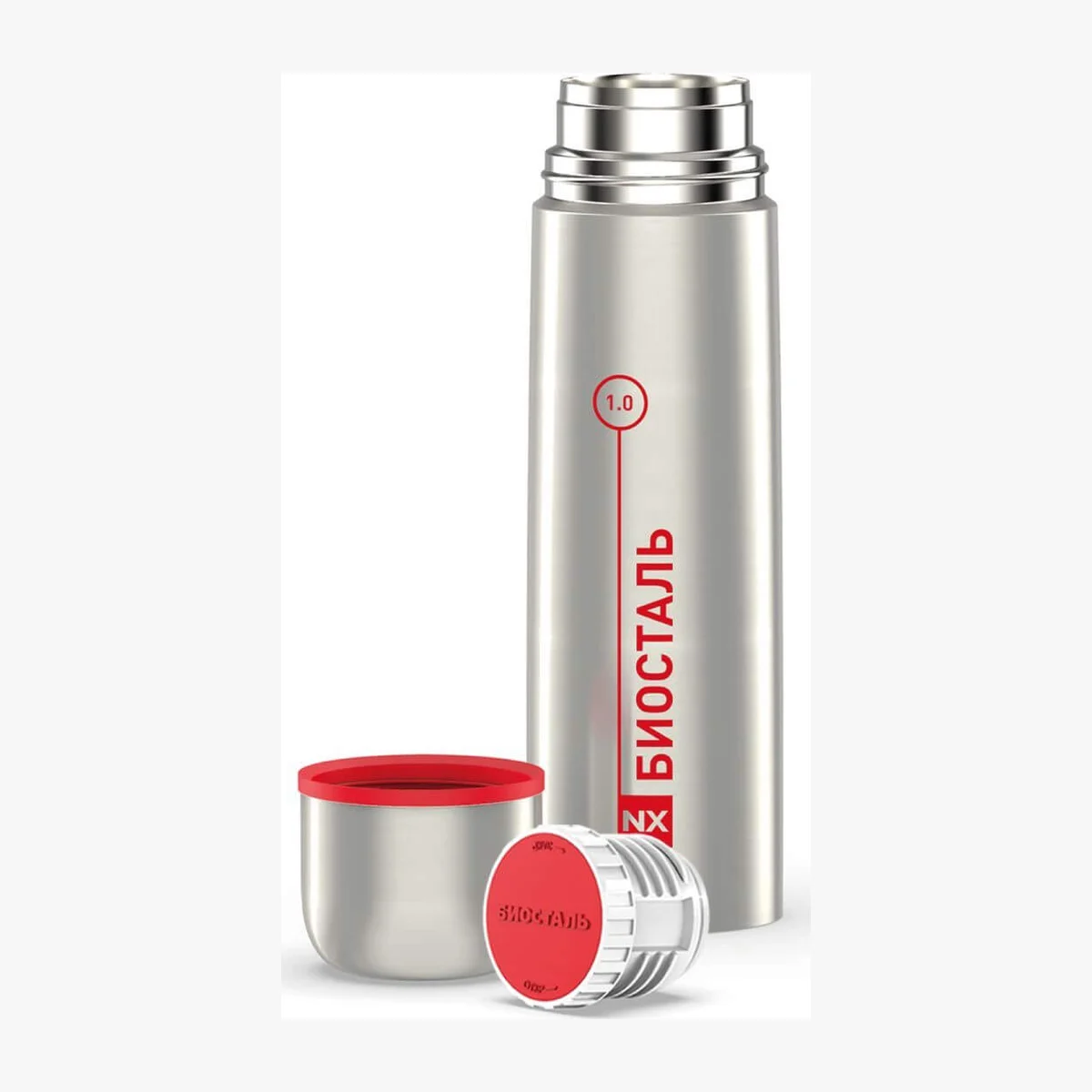
Add it to the calculator, then adjust days and quantity
The calculator uses the same live price per summer calendar day shown on this page. The minimum charge is one day and there is no automatic long-rental discount. Availability, fit and the final deposit are confirmed by Rock’N’Rent.
20–35 L backpack questions
What backpack size is commonly used for a Mount Elbrus day?
Many people use a pack in the 20–35 L range for day stages, but the correct capacity depends on the program and group-gear allocation. Confirm the final size with your guide.
How do I reserve this item in Terskol?
Send Rock’N’Rent your dates, number of rental days and any required size on Telegram. We confirm the available item, fit where applicable, final price and deposit before collection in Terskol.
How is the rental price calculated?
The page shows the current price for one item per summer calendar rental day in US dollars, with a minimum charge of one day. Collect after 16:00 for use the next day and the rest of the collection day is free. Return by 11:00 after the last paid day so the return day is not charged. Availability, deposit and final amount are confirmed before collection.