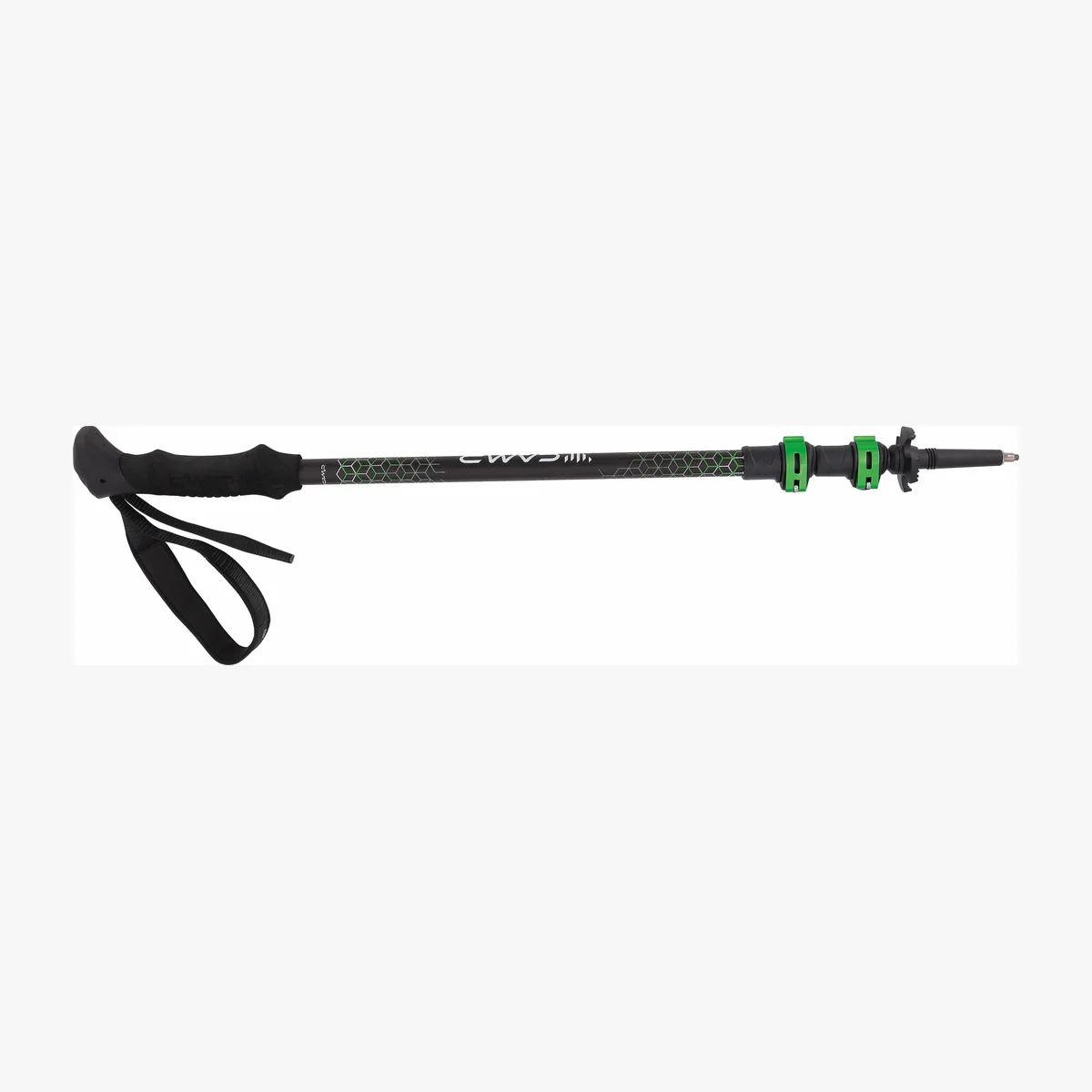
Rent CAMP lever-lock trekking poles for Mount Elbrus
Technical equipment is selected and checked with the guide’s system in mind.
$6.00 / day
Clip-lock trekking poles provide adjustable support for Elbrus approaches, acclimatization walks and many summit-day plans. The external levers make length changes easy to see and check.
Daily rental in Terskol. Add the item to the Mount Elbrus calculator, then send your dates and size where applicable so we can confirm availability.
Pickup in Terskol · sizes and deposit confirmed before collection
Price checked on 2026-10-27. A rental team member confirms the exact model, size or set contents and availability for your dates.
CAMP lever-lock trekking poles rental for Elbrus: what to know
Poles can help balance and load sharing on uneven ground and snow, but they do not replace an ice axe where the guide requires one. Adjust the length for the terrain and make sure the locks hold under normal pressure.
How to choose CAMP lever-lock trekking poles
- Set a comfortable length while wearing the boots you will use.
- Compare the collapsed length with your backpack or luggage plan.
- Confirm whether baskets and tips suit the expected surface.
What to check before you rent
- Open, close and tension every clip lock before departure.
- Check both pole shafts, grips, straps, tips and baskets for damage.
- Practice stowing the poles securely when hands are needed for other equipment.
How to adjust and inspect CAMP lever-lock trekking poles
CAMP lever-lock trekking poles are adjustable balance aids for approaches, trekking and suitable snow travel around Mount Elbrus. The external lever makes the lock easy to inspect, but it still has to close correctly and hold each section under load. A trekking pole is not a substitute for an ice axe, self-arrest skills or any technical equipment required for the planned terrain.
Choose length for the person and the terrain
Set the poles while wearing the boots, gloves and backpack intended for the day. On level ground, start with the elbow comfortably bent rather than forcing the shoulder upward. Many walkers shorten poles for a sustained ascent and lengthen them for a descent, while a traverse may require different left and right lengths for a short section. These are working adjustments, not fixed rules: snow depth, slope angle, pack weight and the user’s movement all matter.
Extend every shaft only within its printed limit. Enough of each section must remain inside the next tube to support the joint. Never hide or pass a stop mark to gain extra reach. After setting the length, compare the pair and confirm that both can still be shortened or collapsed without sticking.
Inspect every clip-lock mechanism
Open each lever and check the lever body, hinge, clamp and surrounding shaft for cracks, distortion, ice or trapped dirt. Close it with a deliberate movement. It should seat fully without requiring extreme force, and it should not sit so loosely that it opens or allows the section to slide. Test the pole with controlled walking pressure on firm ground; do not jump on it or shock-load it.
If the lever is too tight, too loose, catches on clothing or does not hold the section, return the pole to Rock’N’Rent staff. Do not turn the clamp fastener or improvise a repair yourself. Small adjustments affect holding force and can damage the clamp when made incorrectly.
Check shafts, grips, straps, baskets and tips
Sight along each shaft and compare both poles. Reject a bent, cracked, deeply dented or mismatched section. Check that grips are secure, straps are intact and adjustable, baskets are present and the tips are not loose. A basket that suits a path may be too small for soft snow, so confirm that the issued configuration matches the intended use.
Practice with gloves before departure
Open and close the levers and adjust the straps in the gloves you expect to wear. A closed lever should not snag the glove or a loose layer. The strap should support normal pole use without trapping the hand. On terrain where a pole could catch between rocks, vegetation or equipment, follow the responsible leader’s instruction on whether to use the straps or keep the hands free.
Recheck after cold, moisture, transport or a fall
Temperature change, vibration, wet snow and repeated adjustment can alter how a lock feels. Recheck the length and every lever at sensible stops, particularly after carrying the poles on a vehicle, attaching them to a pack or falling onto one. If a section begins to slip, stop using it as a support until the mechanism has been inspected.
Collection and return checklist
- confirm the adjustment range suits the user;
- keep every section inside its marked extension limit;
- load-test every closed lever with controlled pressure;
- inspect shafts, grips, straps, baskets and tips;
- operate the locks and straps in the intended gloves;
- practice secure backpack stowage with tips protected;
- record existing damage before leaving the rental desk.
Know what trekking poles cannot do
Trekking poles can improve rhythm and balance, but they do not arrest a slide reliably and they are not anchors, probes or climbing protection. Use the movement technique and technical equipment appropriate to the route, current conditions and the competence of the group. Stop using a damaged pole; do not straighten a shaft or repair a lock in the mountains.
Trekking poles are balance aids, not fall-arrest tools. Use the technical equipment specified for the terrain.
Equipment commonly considered with this item
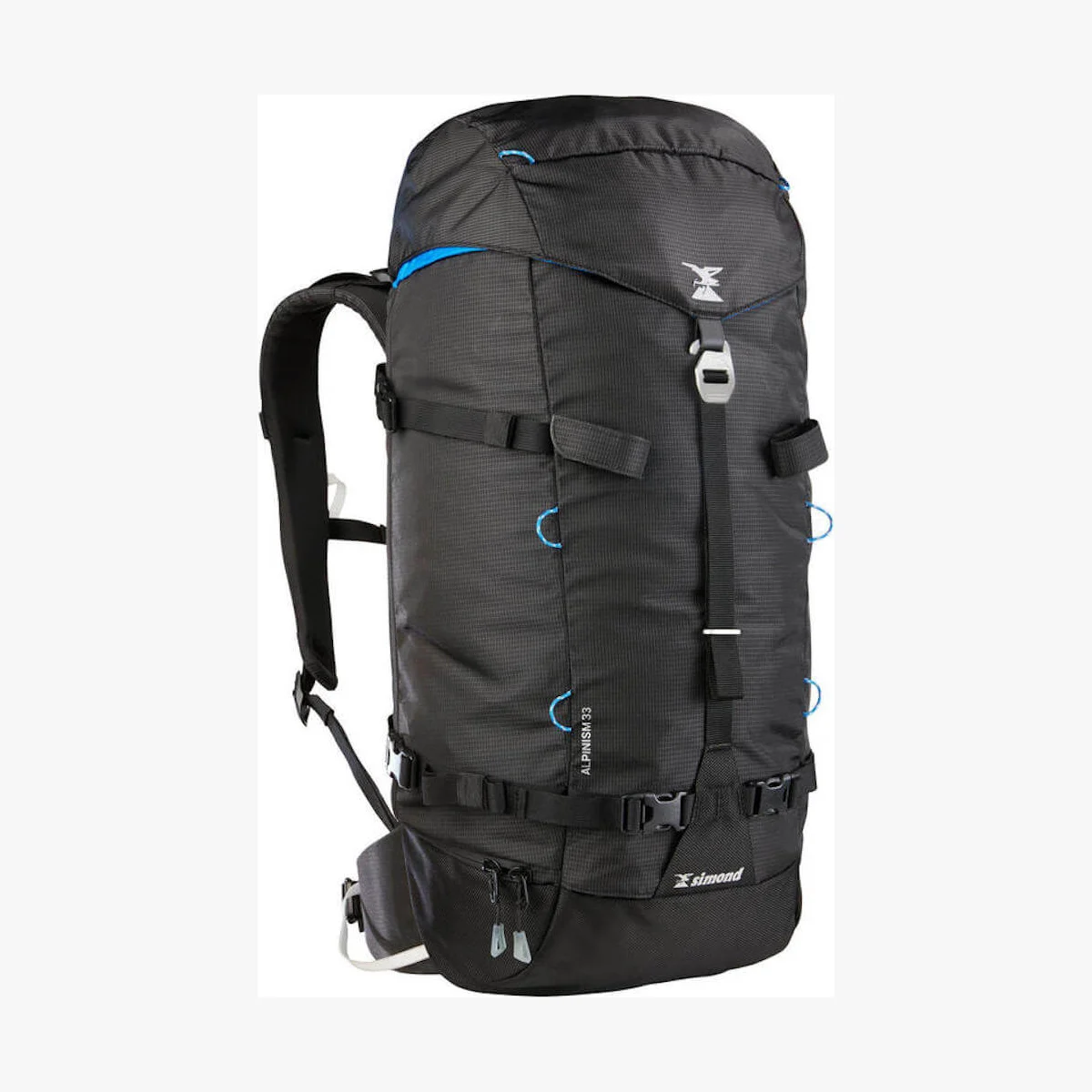
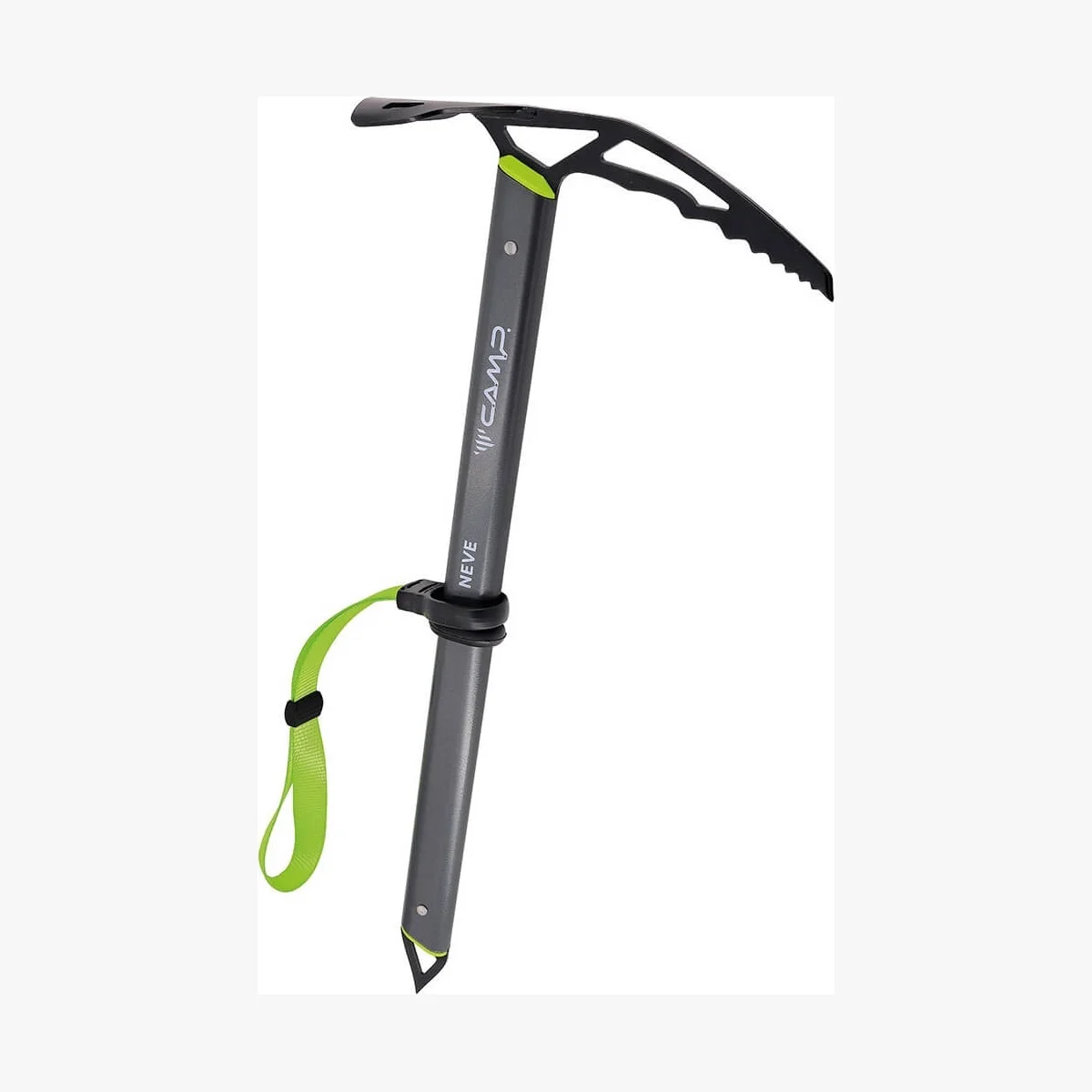
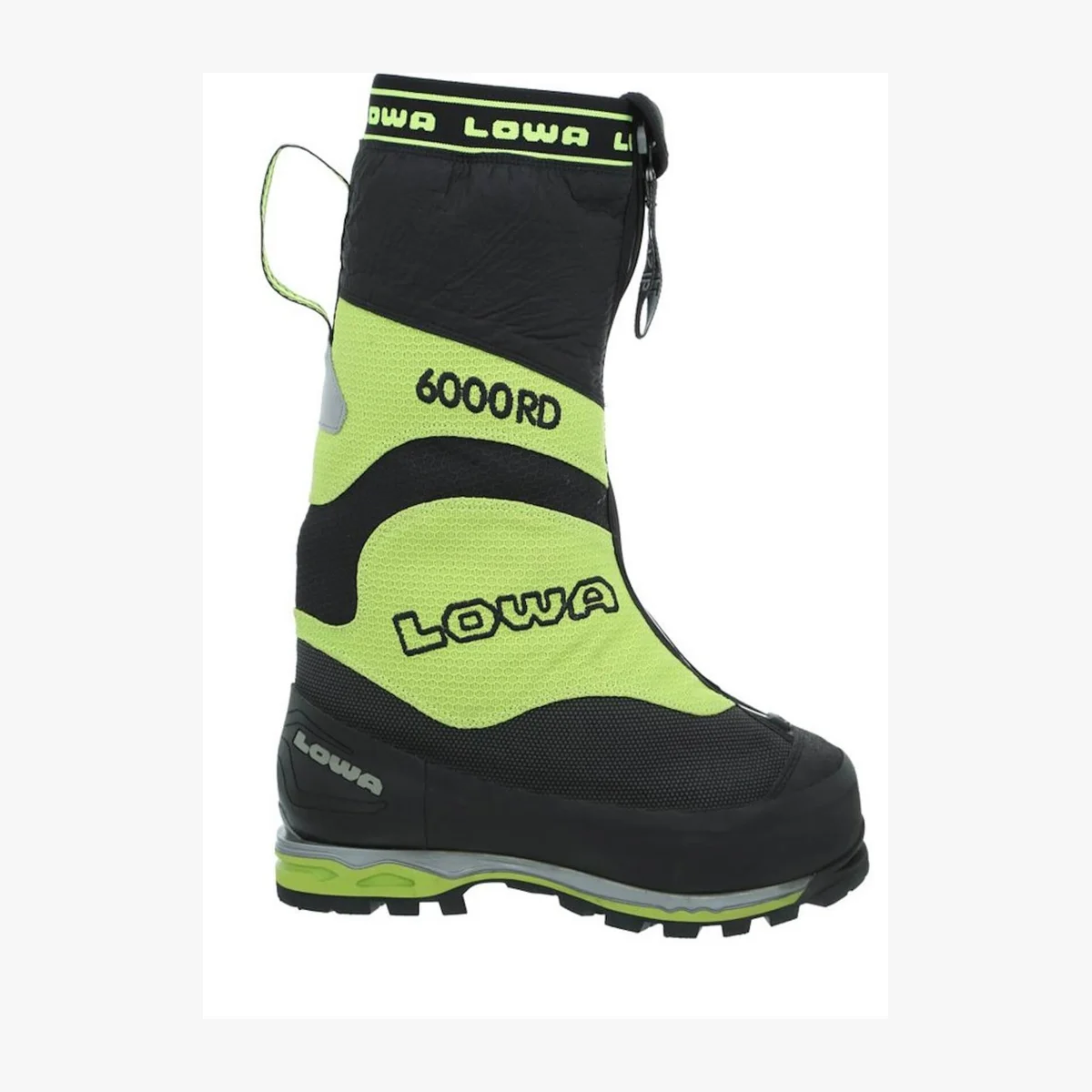
Add it to the calculator, then adjust days and quantity
The calculator uses the same live price per summer calendar day shown on this page. The minimum charge is one day and there is no automatic long-rental discount. Availability, fit and the final deposit are confirmed by Rock’N’Rent.
CAMP lever-lock trekking poles questions
Can trekking poles replace an ice axe on Mount Elbrus?
No. They serve different purposes. Your guide decides where an ice axe is required and when poles are appropriate.
How do I reserve this item in Terskol?
Send Rock’N’Rent your dates, number of rental days and any required size on Telegram. We confirm the available item, fit where applicable, final price and deposit before collection in Terskol.
How is the rental price calculated?
The page shows the current price for one item per summer calendar rental day in US dollars, with a minimum charge of one day. Collect after 16:00 for use the next day and the rest of the collection day is free. Return by 11:00 after the last paid day so the return day is not charged. Availability, deposit and final amount are confirmed before collection.