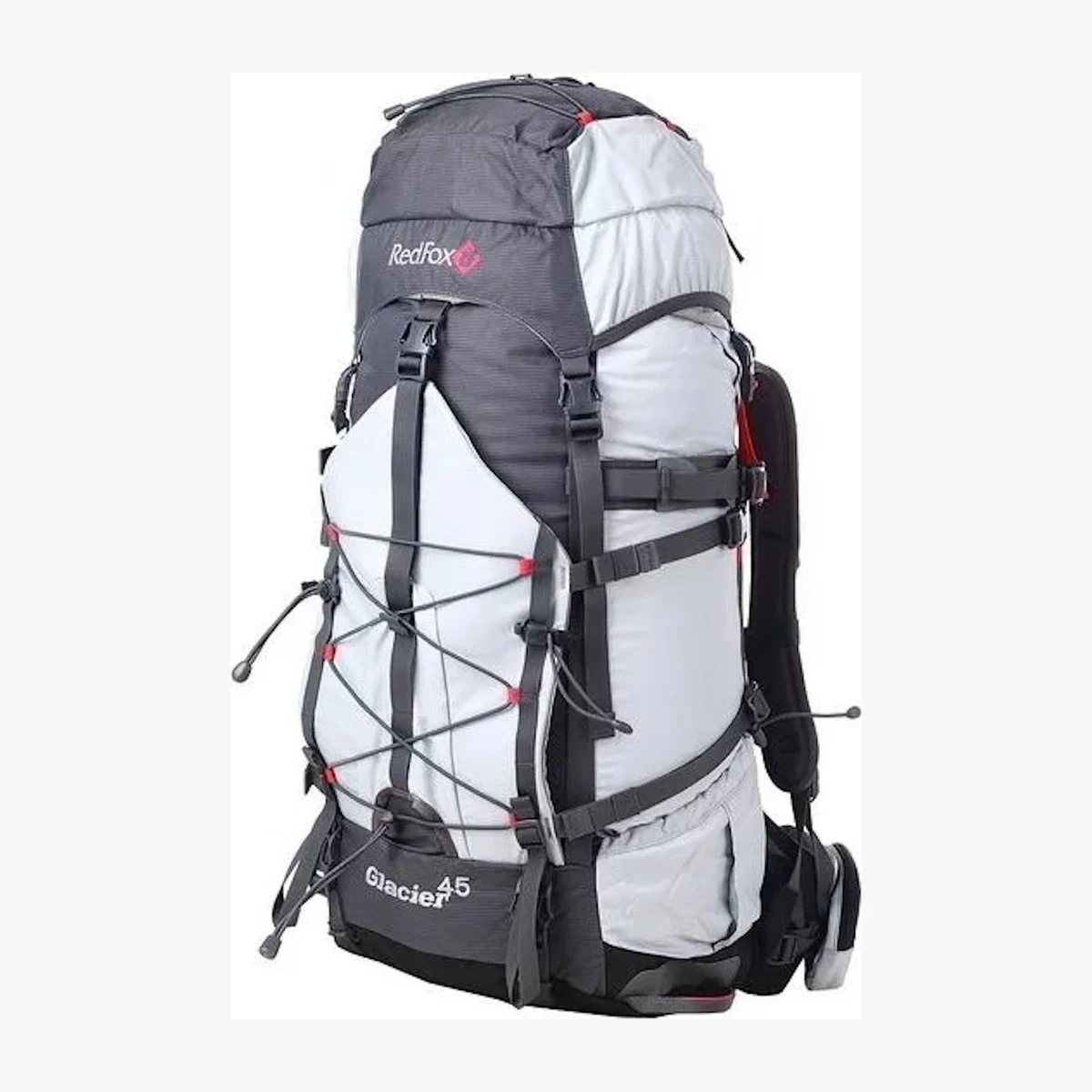
Rent a 45 L backpack for Mount Elbrus
Match capacity, completeness and intended use to the itinerary, accommodation and shared-load plan.
$5.00 / day
A 45 L backpack gives extra room for warm clothing, overnight items or a larger share of group gear. It suits Elbrus programs where a small summit pack is not enough but an expedition pack would be excessive.
Daily rental in Terskol. Add the item to the Mount Elbrus calculator, then send your dates and size where applicable so we can confirm availability.
Pickup in Terskol · sizes and deposit confirmed before collection
Price checked on 2026-10-27. A rental team member confirms the exact model, size or set contents and availability for your dates.
45 L backpack rental for Elbrus: what to know
The additional capacity is useful for moving equipment to a refuge, longer acclimatization days or programs with more personal gear. For the summit attempt itself, some teams transfer essentials to a smaller pack, while others keep one pack throughout.
How to choose a 45 L backpack
- Check torso fit and hip-belt position while the pack carries a realistic load.
- Use compression straps so a partly filled pack remains stable.
- Confirm whether the program expects one all-purpose pack or separate approach and summit bags.
What to check before you rent
- Inspect the back system, load lifters, hip belt, buckles and seams.
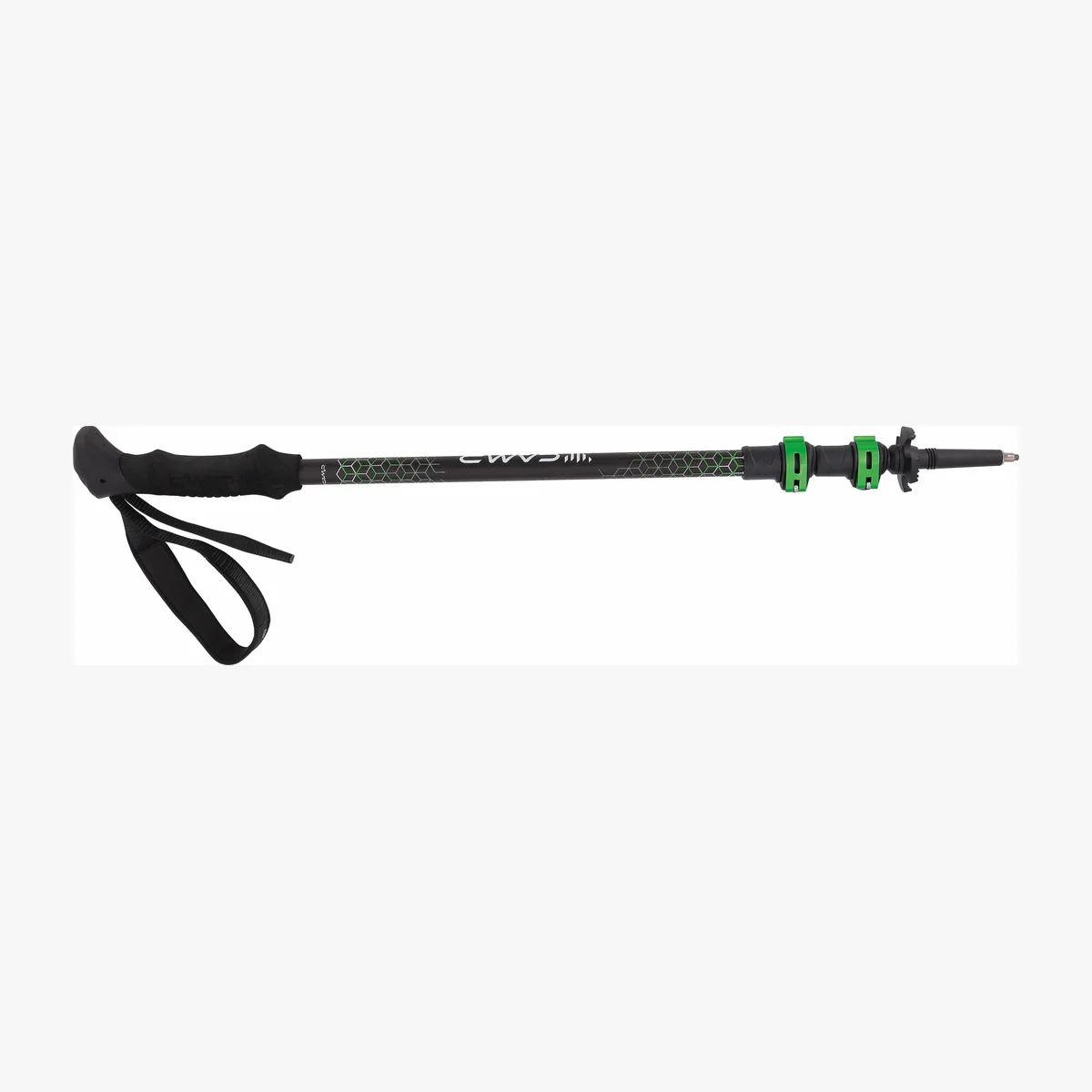
- Confirm where an ice axe or trekking poles can be secured if required.
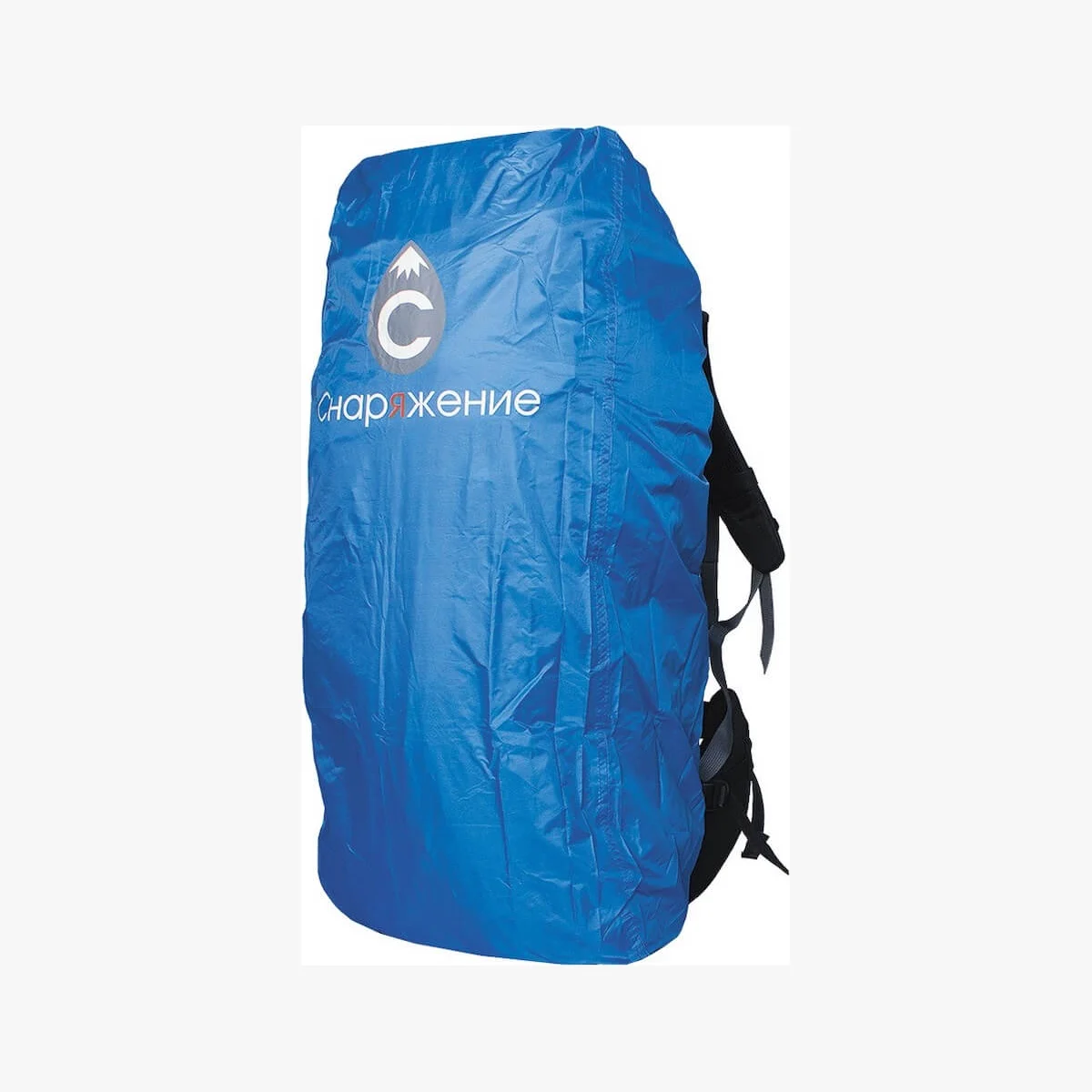
- Add a rain cover when the pack and forecast call for one.
How to fit and pack a 45 L backpack for Mount Elbrus
A 45 L backpack provides more space for bulky insulation, overnight items or a larger personal share of equipment. It should be selected from the actual itinerary and packing list, not because a larger number seems safer. An oversized pack filled with unnecessary weight can be as unsuitable as one that is too small.
Clarify how the pack will be used
Confirm whether one backpack carries equipment throughout the trip or whether a separate day pack is used for lighter stages. Transport, accommodation, camp logistics and group-gear allocation change what must be carried personally.
Measure torso length and set the harness
For an adjustable system, measure from the prominent vertebra at the base of the neck to the level of the iliac crests. Set the back length before tightening straps. The hip belt should support the load around the top of the pelvis, and the shoulder harness should follow the body without pulling away.
Fit over the intended layers
Wear the clothing expected during the carry. Tighten the hip belt, shoulder straps, load-control straps where fitted and the sternum strap in that order. Check that breathing and arm movement remain free and that the belt does not slide when stepping up.
Load the actual equipment
Pack the real warm layers, sleeping or overnight items where required, water, food and technical equipment. Keep dense weight close to the back and prevent empty space from allowing the load to swing. Use compression straps to stabilize a partly filled pack rather than adding unnecessary contents.
Check attachments before relying on them
If the route list requires poles, an ice axe, mat or other external item, ask staff to show the intended attachment points. Secure sharp points and loose ends. Equipment must not block access, strike the legs or fall out when the pack is lifted.
Waterproof critical contents internally
A rain cover reduces exposure but does not seal every opening in wind or wet snow. Place insulation, sleeping equipment, electronics and documents in suitable internal protection. Do not assume the backpack fabric alone will keep them dry.
Collection checklist
- confirm the current itinerary and packing list;
- adjust the back length and hip belt;
- pack and compress the actual load;
- walk, use stairs and raise the arms;
- inspect frame, seams, zips, buckles and straps;
- record existing damage and match the pack to the issue document.
Do not accept an unstable heavy load
Persistent pressure, numbness, belt slipping or uncontrolled movement requires adjustment, repacking or a different backpack. Do not alter the frame or cut straps. Contact Rock’N’Rent and follow the organizer’s carrying plan.
A larger backpack should not encourage unnecessary weight. Follow the guide’s packing list and keep the load within what you can carry safely.
Equipment commonly considered with this item

Add it to the calculator, then adjust days and quantity
The calculator uses the same live price per summer calendar day shown on this page. The minimum charge is one day and there is no automatic long-rental discount. Availability, fit and the final deposit are confirmed by Rock’N’Rent.
45 L backpack questions
Should I choose a 45 L pack or a smaller daypack for Elbrus?
Choose 45 L when the program requires overnight items, bulky insulation or more shared gear. A smaller daypack may be better for a light summit load; ask the organizer which arrangement is planned.
How do I reserve this item in Terskol?
Send Rock’N’Rent your dates, number of rental days and any required size on Telegram. We confirm the available item, fit where applicable, final price and deposit before collection in Terskol.
How is the rental price calculated?
The page shows the current price for one item per summer calendar rental day in US dollars, with a minimum charge of one day. Collect after 16:00 for use the next day and the rest of the collection day is free. Return by 11:00 after the last paid day so the return day is not charged. Availability, deposit and final amount are confirmed before collection.