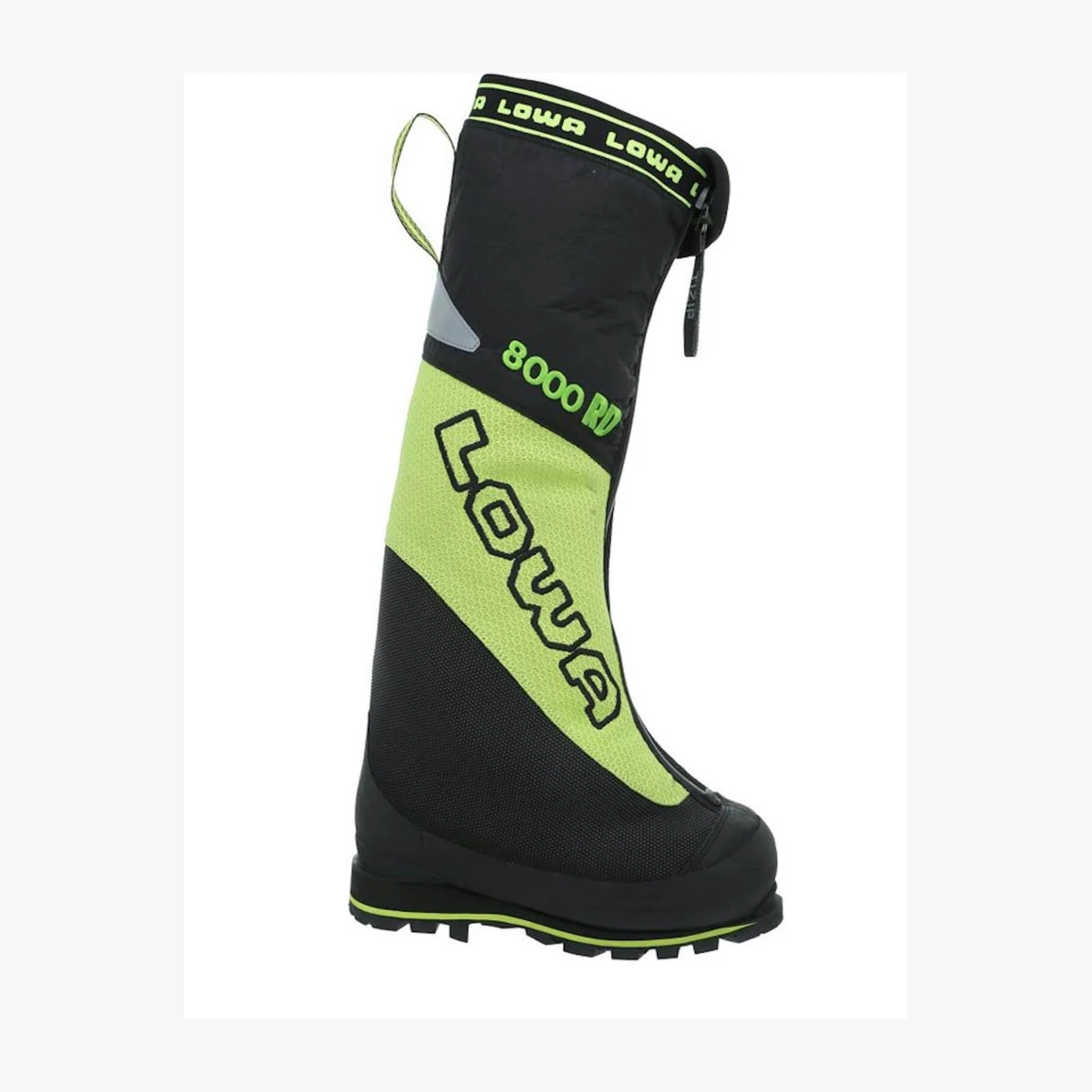
Rent Lowa Expedition 8000 Evo boots for Mount Elbrus
Fit, intended socks and the exact program determine the right choice.
$33.00 / day
Lowa Expedition 8000 Evo boots are a very warm high-altitude option. For Mount Elbrus they may be chosen for severe cold, particular seasons or a climber who needs more insulation, but they can be more boot than a standard plan requires.
Daily rental in Terskol. Add the item to the Mount Elbrus calculator, then send your dates and size where applicable so we can confirm availability.
Pickup in Terskol · sizes and deposit confirmed before collection
Price checked on 2026-10-27. A rental team member confirms the exact model, size or set contents and availability for your dates.
Lowa Expedition 8000 Evo boots rental for Elbrus: what to know
Choose these boots because the guide and conditions justify them, not because a higher expedition number sounds safer. Fit, walking comfort, weight and crampon compatibility remain as important as insulation.
How to choose Lowa Expedition 8000 Evo boots
- Confirm with the guide that an 8000-class boot suits the season and program.
- Try both boots with the exact sock system and allow time for a full fit check.
- Fit the intended crampons and practice walking before committing.
What to check before you rent
- Inspect outer boots, liners, soles, closures and insulation condition.
- Check heel hold and toe room on level ground and an incline.
- Plan drying and liner care for every rental day.
How to measure and fit Lowa Expedition 8000 Evo rental boots
Lowa Expedition 8000 Evo are the warmest boot option in this rental group, but the warmest or most expensive pair is not automatically the correct choice. Route requirements, season, personal cold sensitivity, foot shape, actual fit and crampon compatibility all matter.
Send both foot measurements
Measure each foot while standing in one intended mountain sock: paper against a wall, heel lightly touching it, weight distributed normally and the longest toe marked. Send millimeters for both feet, not only the larger street-shoe size. Mention width, instep, orthotics, old cold injuries and known pressure points.
Check inner and outer components separately
Remove both liners and inspect their shape, lacing, seams and condition. Fit the liners without folds, then place them into the correct outer boots. Confirm that gaiter, zip and lacing systems close without trapping fabric.
Do not create warmth with extra socks
A second thick sock can consume toe room and restrict circulation. Use one suitable sock and tighten the boot progressively. More pressure is not more control, and an oversized shell is not a reliable way to obtain warmth.
Keep the complete pair on
Fit both boots, stand with knees flexed, walk and remain in them for several minutes. The heel should be controlled, the forefoot should not be crushed and the toes should retain usable space. Sharp pressure, burning, numbness or obvious heel movement means the fit needs reassessment.
Check downhill toe clearance
Use the shop’s descent-fitting procedure to verify that the toes do not strike the front as the foot moves forward. Do not solve contact by simply loosening every closure or selecting a much larger shell; the whole fit must remain balanced.
Install crampons on both boots
The actual crampons must be fitted to the issued pair. Check frame length, toe and heel position, retention, straps and anti-balling plates, then practice fitting them in gloves. A photograph, model name or size label cannot approve compatibility.
Inspect before signing
- check outer shells, soles, gaiters, zips and laces;
- inspect both removable liners;
- operate every closure in gloves;
- record existing damage;
- confirm compatible crampons;
- match all components to the issue document.
Know when to stop
No boot guarantees protection from cold. Conditions, duration, activity, fit, circulation and individual response remain important. Persistent numbness, loss of control, unusual cold or a failed closure requires immediate reassessment. Contact Rock’N’Rent if any component changes during the rental.
Extra insulation cannot correct poor fit and may add bulk or fatigue. Select boots from conditions, guide advice and a careful fitting.
Equipment commonly considered with this item
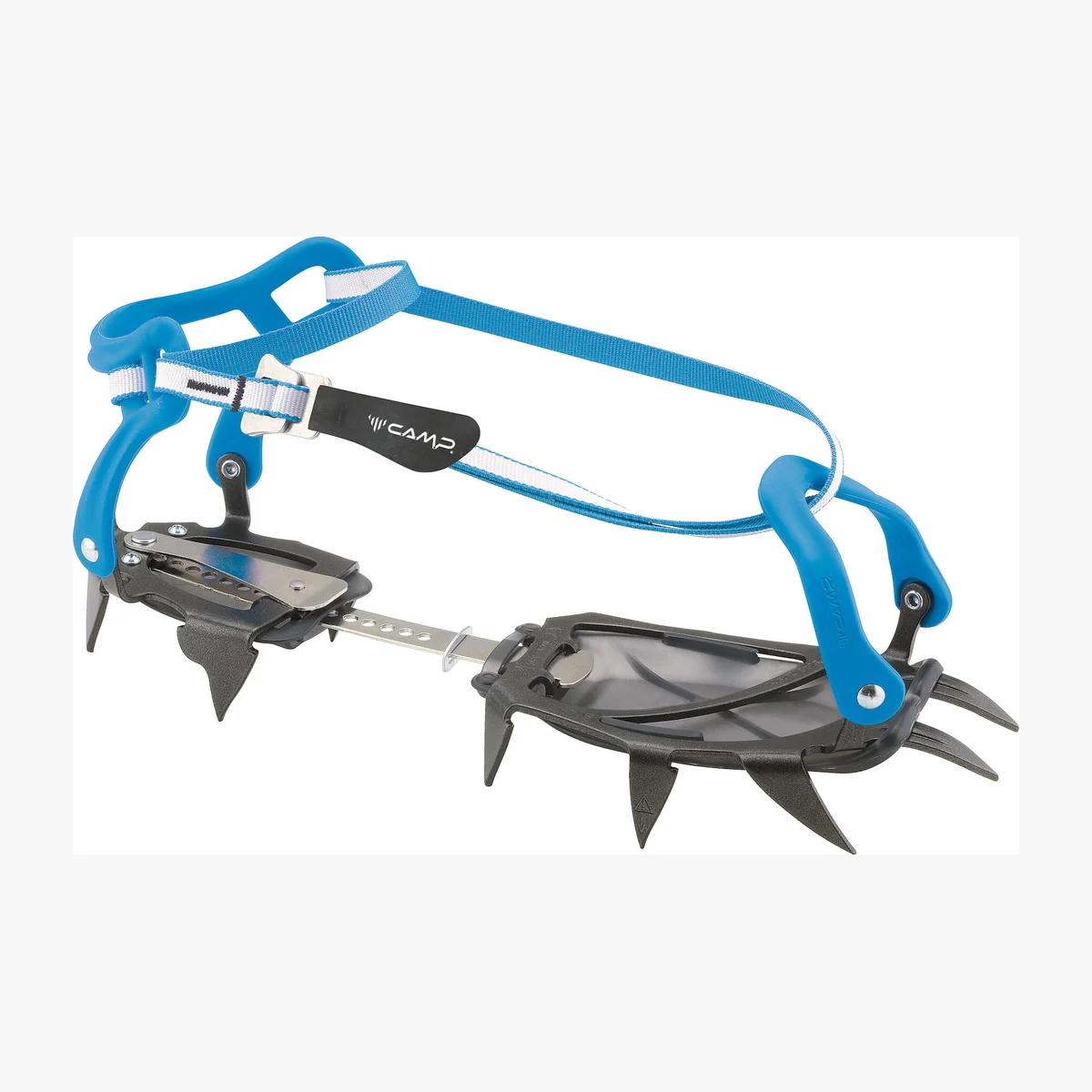
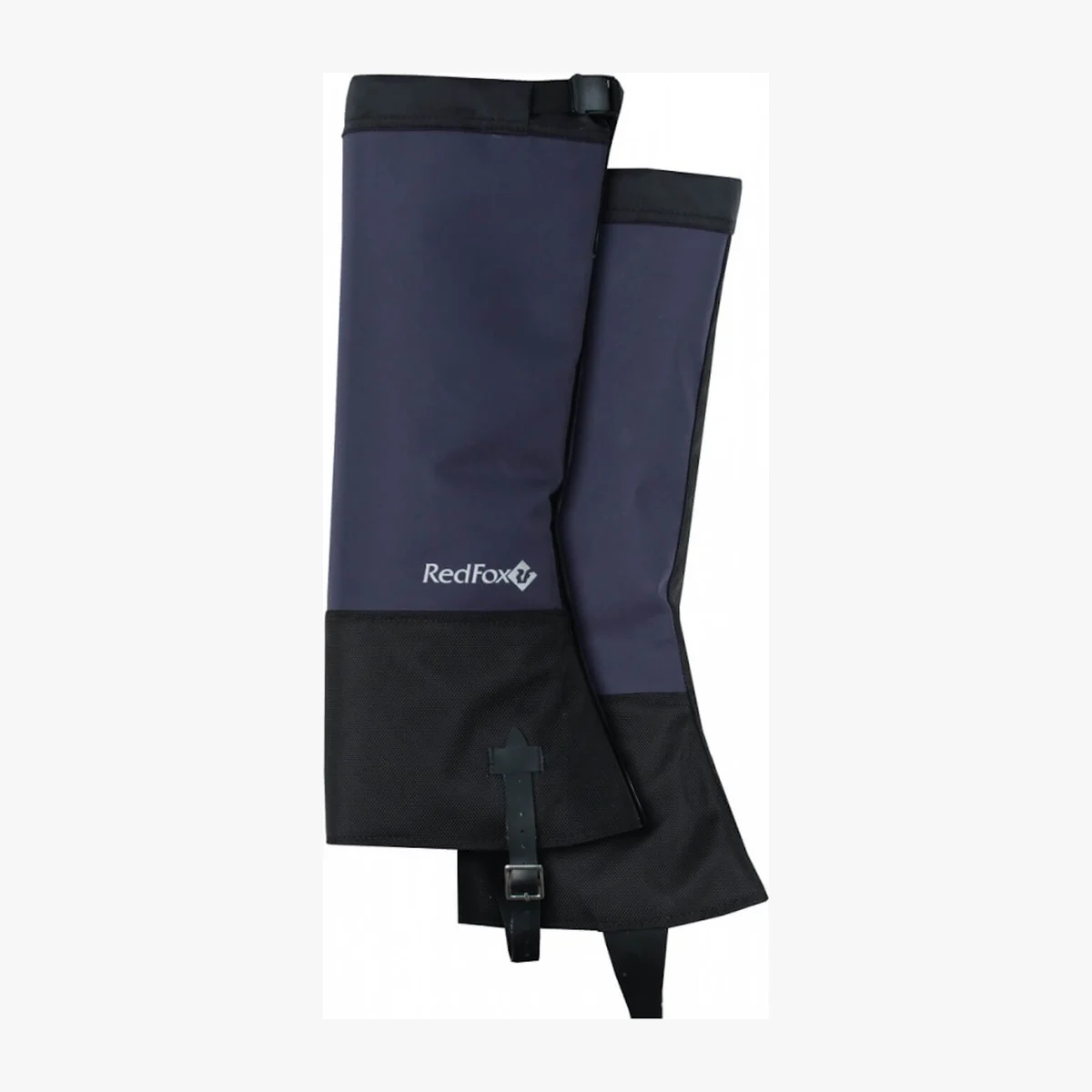
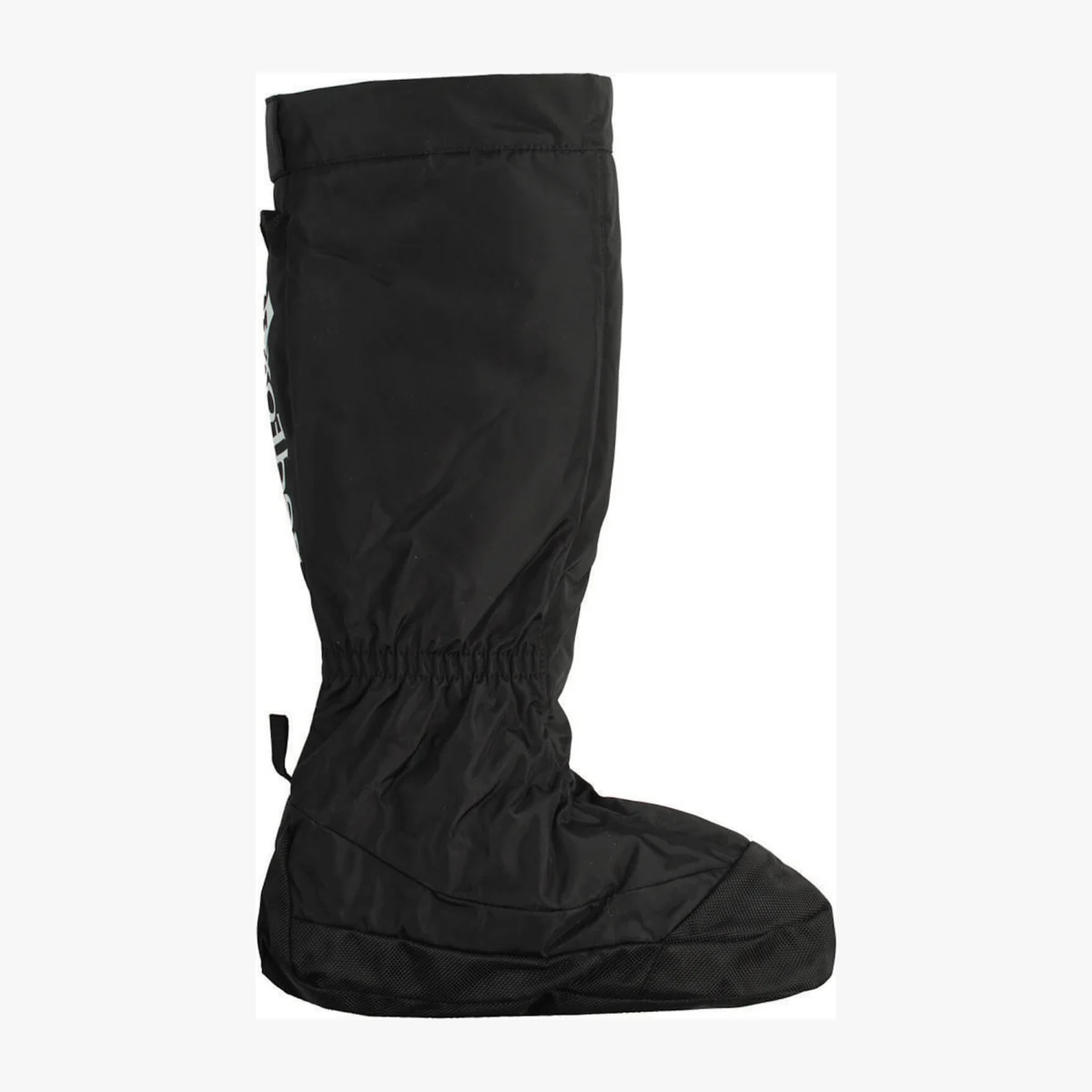
Add it to the calculator, then adjust days and quantity
The calculator uses the same live price per summer calendar day shown on this page. The minimum charge is one day and there is no automatic long-rental discount. Availability, fit and the final deposit are confirmed by Rock’N’Rent.
Lowa Expedition 8000 Evo boots questions
Are Lowa Expedition 8000 boots necessary for Mount Elbrus?
Not for every ascent. They are an exceptionally warm option for particular conditions or needs. Ask your guide whether 6000-class or another double boot is more appropriate.
How do I reserve this item in Terskol?
Send Rock’N’Rent your dates, number of rental days and any required size on Telegram. We confirm the available item, fit where applicable, final price and deposit before collection in Terskol.
How is the rental price calculated?
The page shows the current price for one item per summer calendar rental day in US dollars, with a minimum charge of one day. Collect after 16:00 for use the next day and the rest of the collection day is free. Return by 11:00 after the last paid day so the return day is not charged. Availability, deposit and final amount are confirmed before collection.