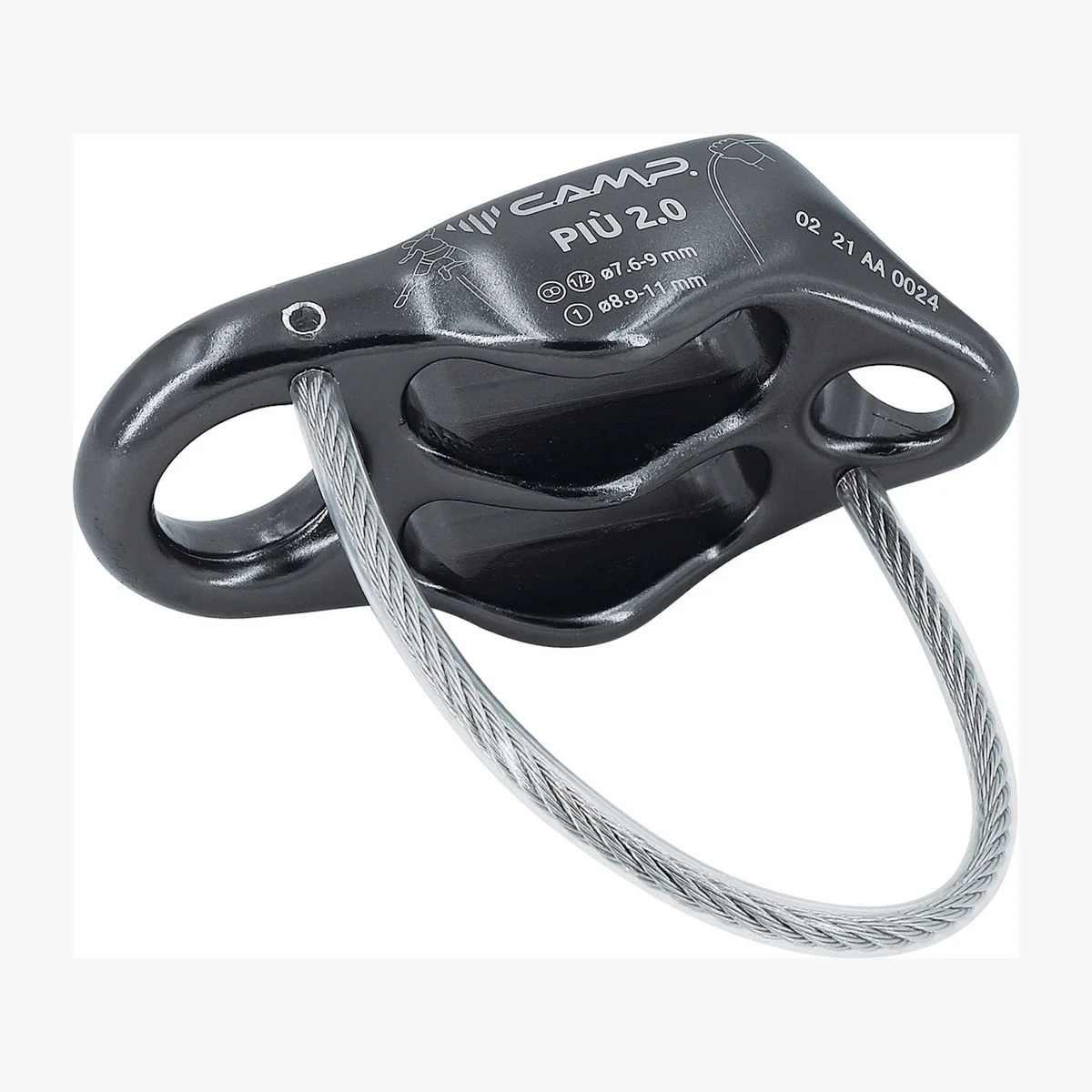
Rent a CAMP descender for Mount Elbrus
Technical equipment is selected and checked with the guide’s system in mind.
$1.00 / day
A descender is specialist rope hardware for a guide-defined lowering, rappel or belay system. It is not part of every Mount Elbrus equipment list and should never be selected without the matching rope and connector plan.
Daily rental in Terskol. Add the item to the Mount Elbrus calculator, then send your dates and size where applicable so we can confirm availability.
Pickup in Terskol · sizes and deposit confirmed before collection
Price checked on 2026-10-28. A rental team member confirms the exact model, size or set contents and availability for your dates.
CAMP descender rental for Elbrus: what to know
If the itinerary includes technical training or terrain requiring a descender, the guide should specify the device, rope range, connector and backup. Familiarity with a different device is not enough to assume the system is interchangeable.
How to choose a CAMP descender
- Confirm the exact device type and compatible rope range.
- Use only the connectors and backup method specified by the guide.
- Arrange supervised practice with the complete system before relying on it.
What to check before you rent
- Inspect the body, wear surfaces, attachment openings and markings.
- Verify correct orientation and function on the intended rope under supervision.
- Keep the device free from dirt, ice and contamination.
How to specify, inspect and collect a CAMP descender
A CAMP descender is specialist life-safety hardware for a precisely defined rope system. CAMP makes devices for different forms of descent, lowering, belaying and professional rope work, with model-specific rope ranges, loads and operating limits. Selection must come from a competent person who knows the intended system; shape, brand and familiarity with another device are not enough.
Define the purpose before choosing the device
The responsible guide or instructor must state the task, operator, rope system, expected load, connector, braking arrangement and independent safety method. A device selected for one function is not automatically suitable for another. Do not rent a descender merely because a route is called technical or because it appears on an equipment checklist without a model or system.
Identify the exact model and current instructions
Read the product name, reference, standards, orientation symbols, rope markings and any load information on the issued device. Compare them with the current instructions for that exact reference. CAMP manuals show that permitted rope types and diameters vary substantially between models and functions. Never copy specifications from a similar-looking descender.
If essential markings are unreadable or the matching instructions cannot be identified, the device must not be issued until Rock’N’Rent staff resolve the identification.
Verify the rope, not only its nominal diameter
The competent person must confirm rope type, construction, diameter and condition for the intended mode. Wear, glazing, moisture, ice, mud and contamination can change friction and control. A rope that passes physically through a device is not necessarily compatible. Do not combine an uncertain rope and descender for a trial on the route.
Inspect the complete body and wear surfaces
Check the body from every side, including rope-contact channels, braking surfaces, attachment openings, pivots, handles, catches and moving parts when present. Look for cracks, deformation, sharp burrs, deep grooves, corrosion, heat damage, chemical contamination, missing parts and unauthorized modification. Severe or uneven wear can damage rope or change braking behavior.
Do not file, grind, polish or reshape a worn surface. Do not lubricate parts unless the exact manufacturer instruction explicitly permits a specified procedure. Rental staff should isolate uncertain equipment for competent inspection.
Check the connector and surrounding system
The connector must be the specified type and orientation, close and lock normally and remain correctly loaded in the intended attachment point. The guide should verify the harness connection, rope path, braking side, backup and every other component. Clothing, gloves, hair, straps and loose equipment must not interfere with the device.
Carry out a controlled supervised check
Assemble the exact rope, connector, device and safety system in a controlled setting under competent supervision. Confirm that the operator understands the model-specific orientation and checks. A dry demonstration without the full system, or practice on a different device, is not enough. This page intentionally does not provide a descent sequence.
Consider heat, contamination and abnormal events
Rope friction can heat metal surfaces. After use, prevent hot hardware from contacting skin, rope, slings or synthetic clothing until it has cooled. Protect the device from grit, ice, fuel, oil, battery leakage, salt and cleaning chemicals. Report any significant drop, unusual loading, uncontrolled event or contamination.
Collection checklist
- confirm purpose, operator, load case and complete system;
- identify the exact model, reference and current instructions;
- verify rope type, diameter and condition;
- inspect body, wear channels, attachment points and moving parts;
- check the specified connector, orientation and locking;
- verify the braking arrangement and independent safety system;
- perform a controlled check under competent supervision;
- record wear, heat events, drops, contamination and damage.
Remove uncertainty from the system
Incorrect selection, installation or braking can be fatal. If the model, rope compatibility, condition or complete system is uncertain, do not issue or use the descender. Isolate it and contact the responsible guide and Rock’N’Rent.
A descender is life-safety equipment. Incorrect selection, rigging or braking can be fatal; competent supervision is required.
Equipment commonly considered with this item

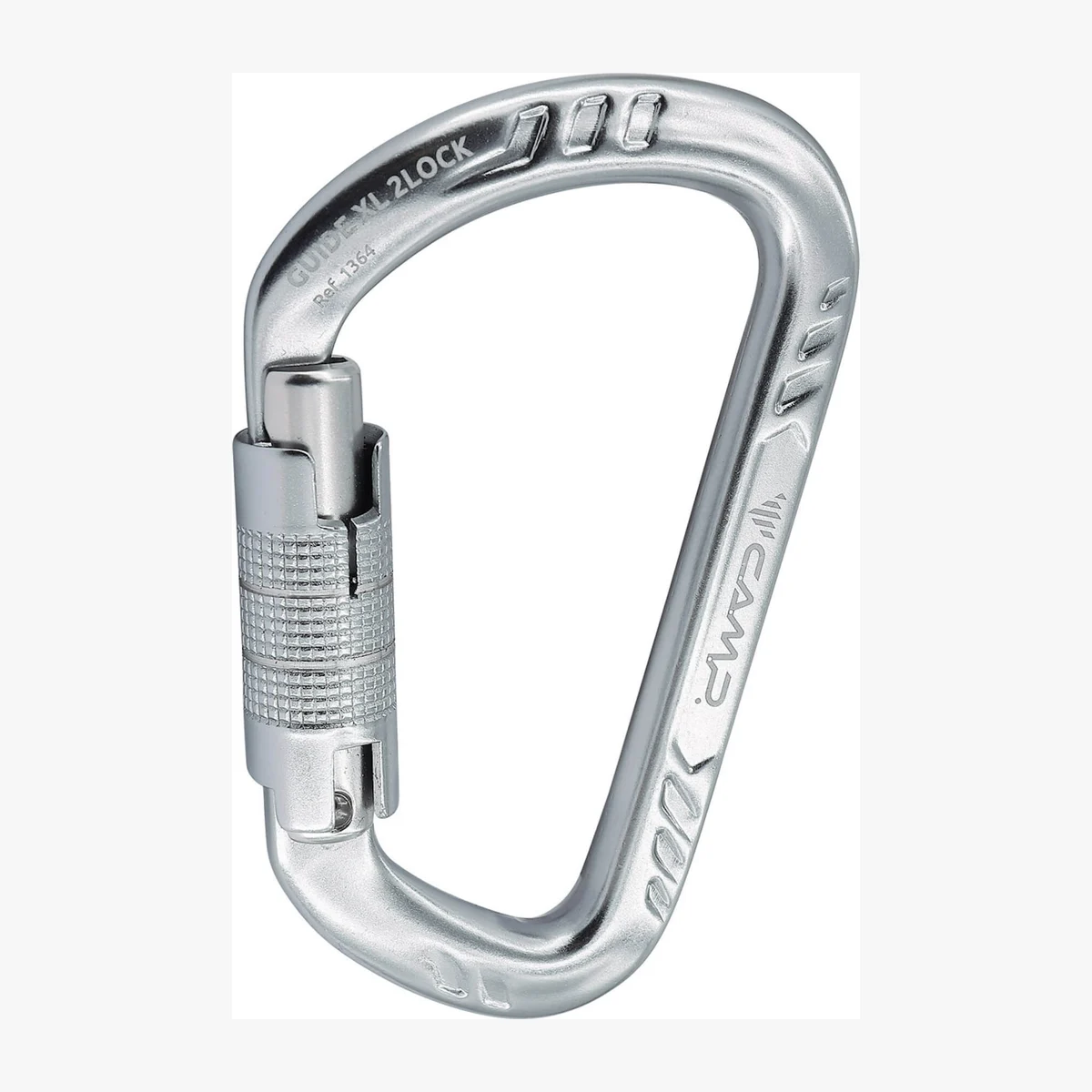
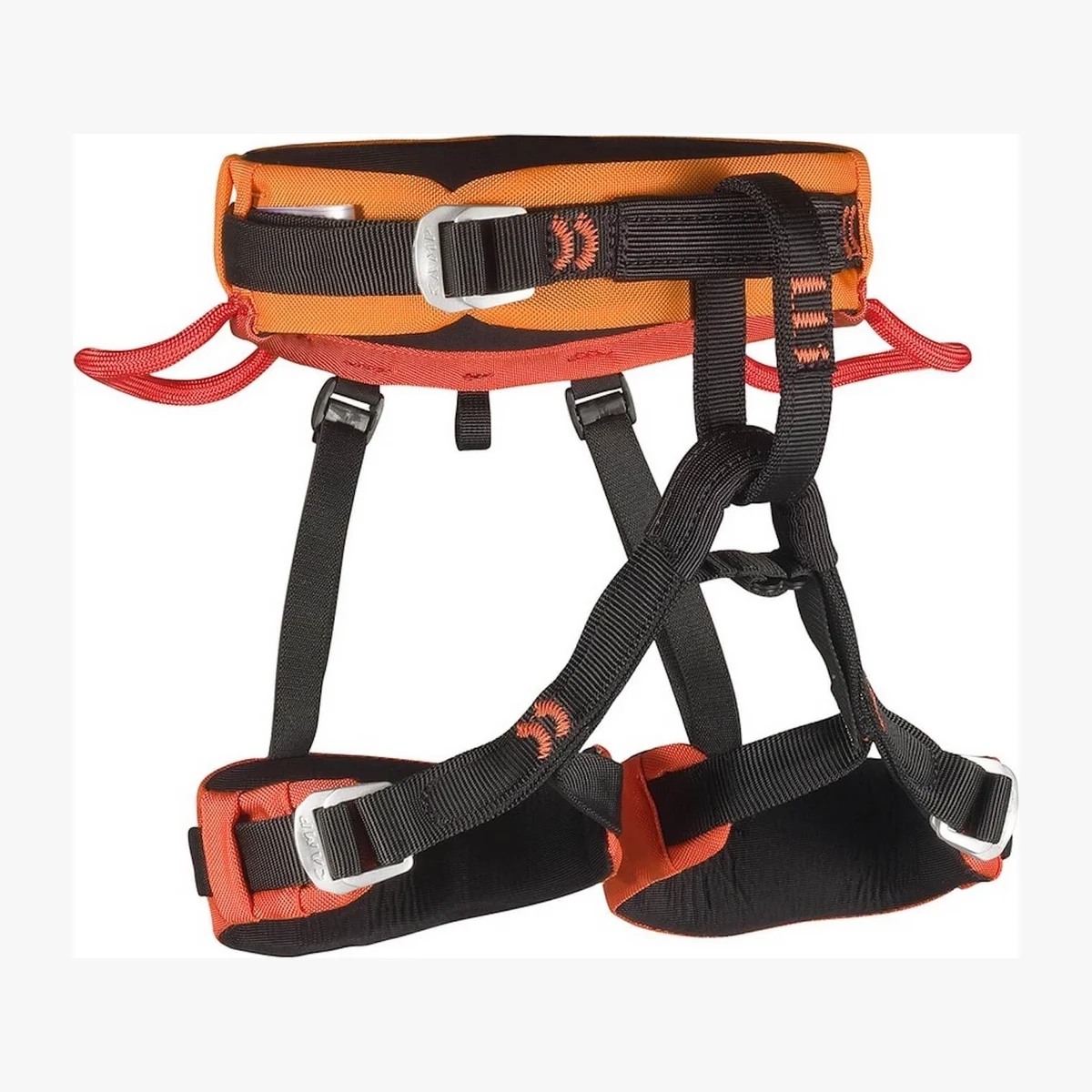
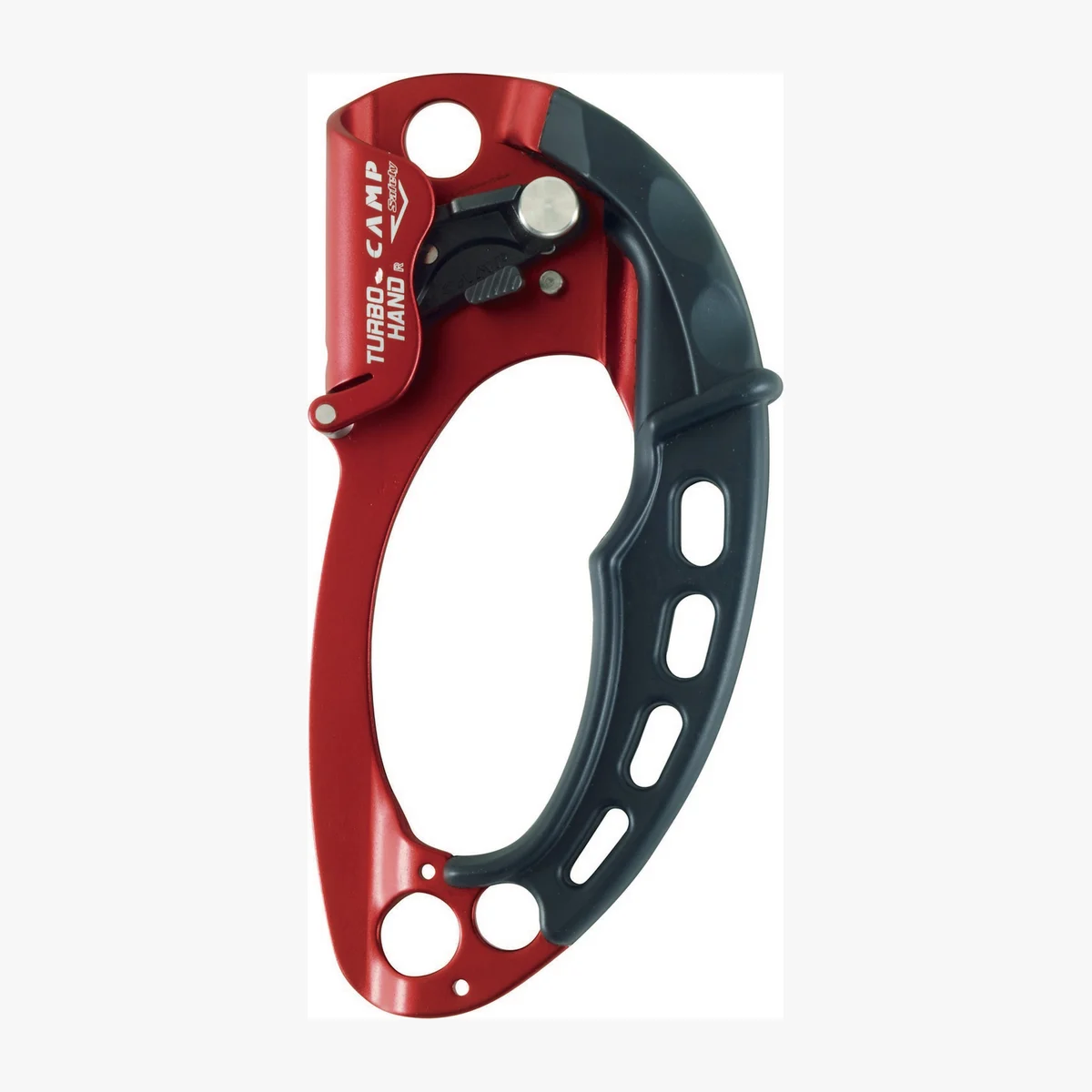
Add it to the calculator, then adjust days and quantity
The calculator uses the same live price per summer calendar day shown on this page. The minimum charge is one day and there is no automatic long-rental discount. Availability, fit and the final deposit are confirmed by Rock’N’Rent.
CAMP descender questions
Is a descender required for the classic Mount Elbrus south route?
Not as a self-selected item for most standard programs. Rent one only when the guide has defined a technical system that uses it.
How do I reserve this item in Terskol?
Send Rock’N’Rent your dates, number of rental days and any required size on Telegram. We confirm the available item, fit where applicable, final price and deposit before collection in Terskol.
How is the rental price calculated?
The page shows the current price for one item per summer calendar rental day in US dollars, with a minimum charge of one day. Collect after 16:00 for use the next day and the rest of the collection day is free. Return by 11:00 after the last paid day so the return day is not charged. Availability, deposit and final amount are confirmed before collection.