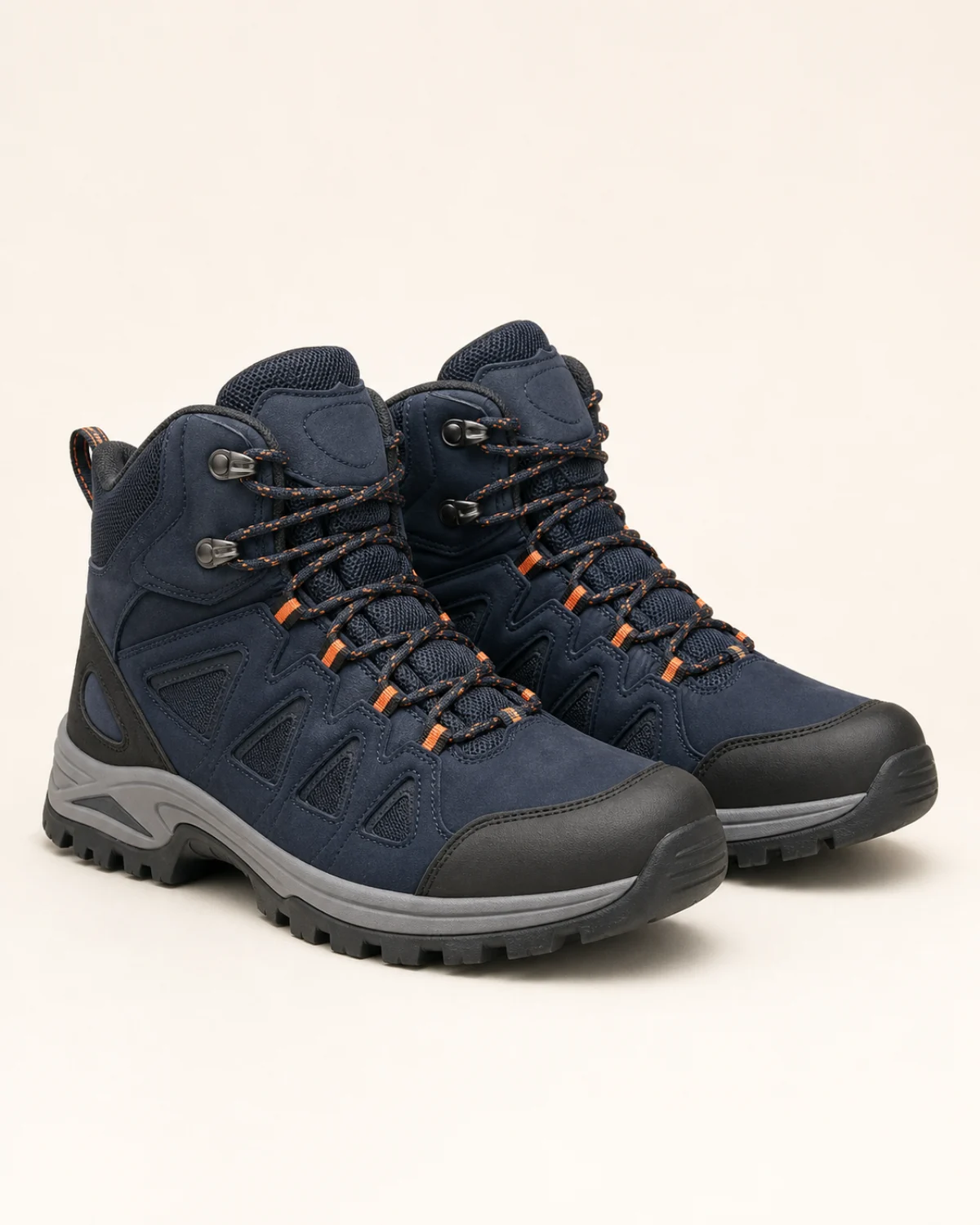
Rent trekking boots for Mount Elbrus
Fit, intended socks and the exact program determine the right choice.
$7.00 / day
Trekking boots are used on Mount Elbrus approaches, acclimatization walks and travel between camps before changing to dedicated high-altitude mountaineering boots where the program requires them.
Daily rental in Terskol. Add the item to the Mount Elbrus calculator, then send your dates and size where applicable so we can confirm availability.
Pickup in Terskol · sizes and deposit confirmed before collection
Price checked on 2026-09-14. A rental team member confirms the exact model, size or set contents and availability for your dates.
Trekking boots rental for Elbrus: what to know
Trekking boots and high-altitude mountaineering boots serve different parts of many Elbrus programs, so they are not interchangeable alternatives. The exact footwear plan depends on the route, season, snow conditions and your guide’s current equipment list.
How to choose trekking boots
- Try both boots with the trekking socks you will actually wear.
- Check heel hold, toe room and ankle comfort while walking uphill and downhill.
- Confirm the required rental days because approach footwear may be used longer than summit boots.
What to check before you rent
- Inspect the soles, tread, laces, eyelets and lining, and check that the boots are dry inside.
- Walk long enough to identify heel lift, toe pressure or ankle rubbing.
- Ask which days require trekking boots and when to change to mountaineering boots.
How to measure and fit rental trekking boots for Mount Elbrus
Trekking boots are fitted to the actual foot, sock, load and walking plan. The catalog image does not promise a particular brand or model; the rental team confirms an available pair after measurements and fitting in Terskol.
Measure both feet in millimeters
Stand on paper placed against a wall on a hard floor in one intended trekking sock. Keep the heel lightly against the wall, mark the longest toe and measure both feet. Send both results, normal shoe size, foot width, instep, orthotics and known pressure points.
Fit with the intended sock and insole
Use one trekking sock rather than several thick layers. If a personal orthotic or insole is essential, bring it. Seat the heel, lace the boot progressively and keep pant fabric outside the boot. The forefoot should not be crushed and the heel should not lift excessively.
Check downhill toe clearance
Walk around the fitting area and test the fit on a slope or ramp if one is available. Toes should not strike the front when the foot moves forward. A larger boot is not automatically more comfortable: excess movement can produce friction and reduce control.
Test ankle movement and lacing
Flex the ankle, step up and down and change direction. Lacing should hold the heel without creating one painful band over the instep. Work the hooks and laces wearing the gloves you plan to use on the route, and tuck in any loose ends.
Confirm the sole and intended use
Inspect tread depth, sole attachment, flex and the condition of the toe and heel. Trekking boots are not automatically suitable for crampons, technical climbing or severe high-altitude cold. Route requirements determine when double mountaineering boots or another system is necessary.
Inspect waterproofing-related areas
No used boot should be assumed waterproof from appearance alone. Check upper fabric or leather, seams, rand, tongue and lining for damage, and plan gaiters or waterproof layers separately where required. Dry socks and foot care remain part of the system.
Collection checklist
- fit both feet with the intended socks and insoles;
- check uphill and downhill movement;
- inspect tread, sole bond, upper, seams and laces;
- record existing wear or damage;
- confirm whether gaiters are separate;
- check the pair against the signed issued-item list.
Stop when fit or condition changes
Persistent pain, numbness, hot spots, wet lining or sole separation requires reassessment. Do not glue, heat, cut or otherwise repair rental boots. Contact Rock’N’Rent and confirm availability before relying on a specific size or model.
A comfortable shop fit does not replace a route-specific footwear decision. Do not use trekking boots for terrain or conditions that require compatible mountaineering boots and crampons.
Equipment commonly considered with this item
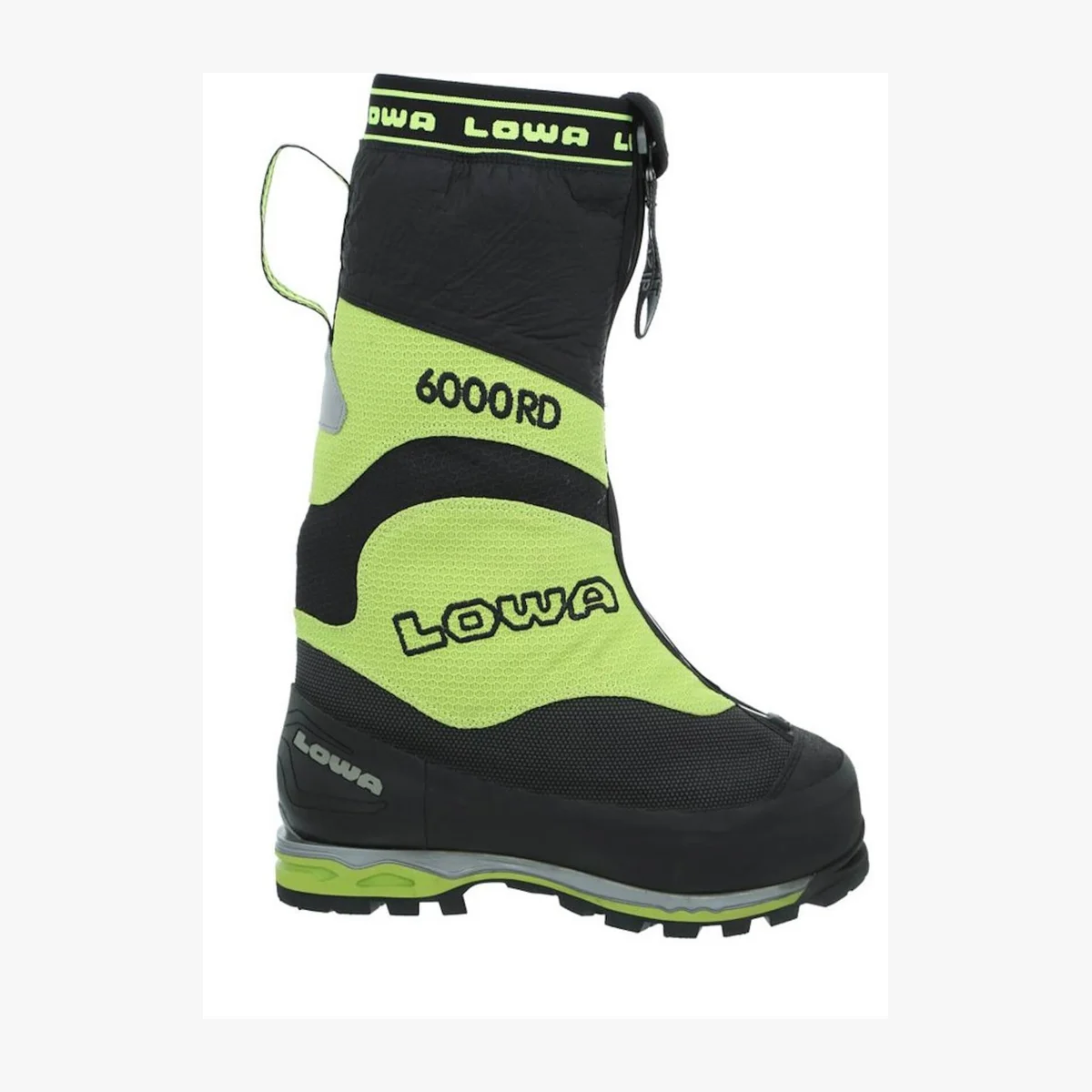
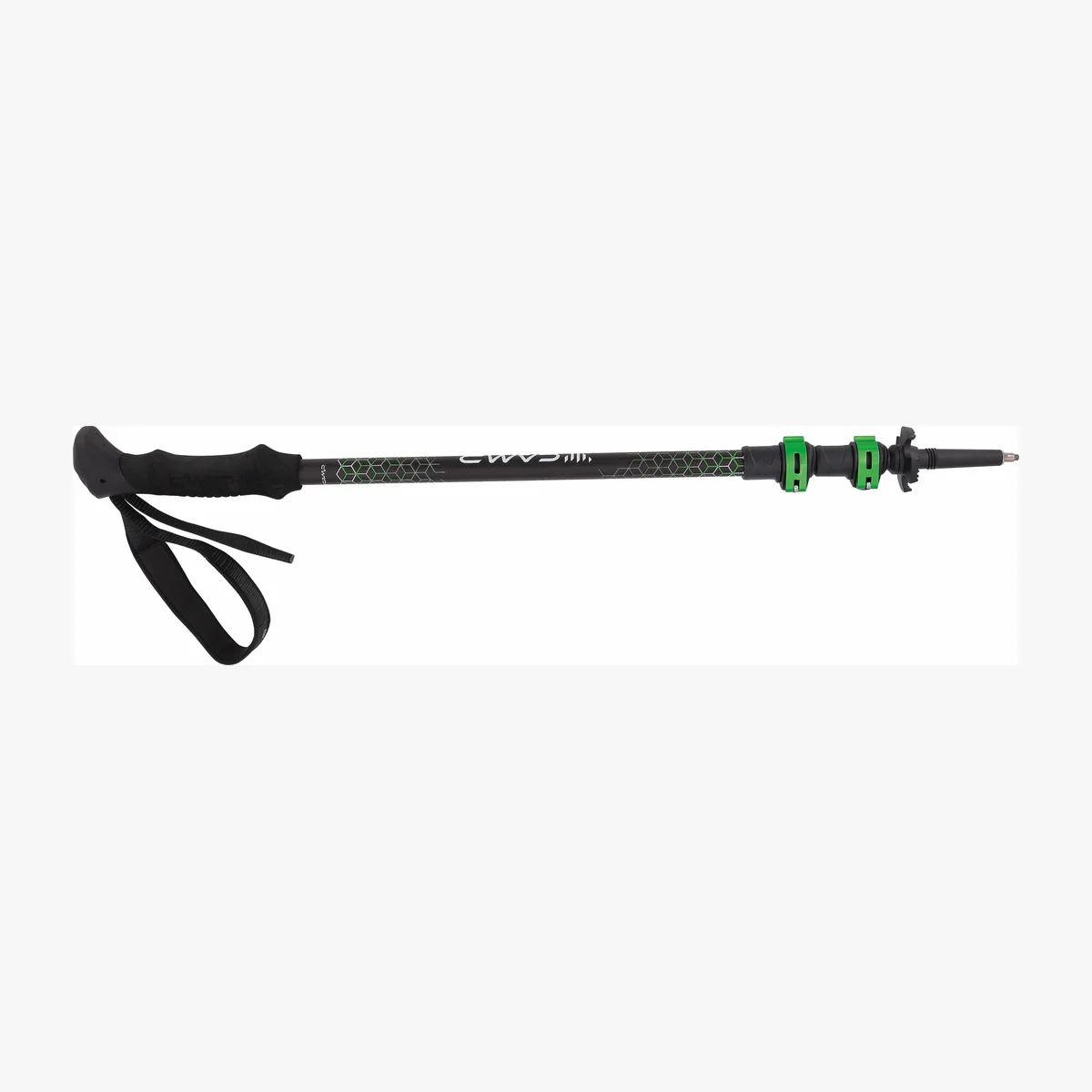
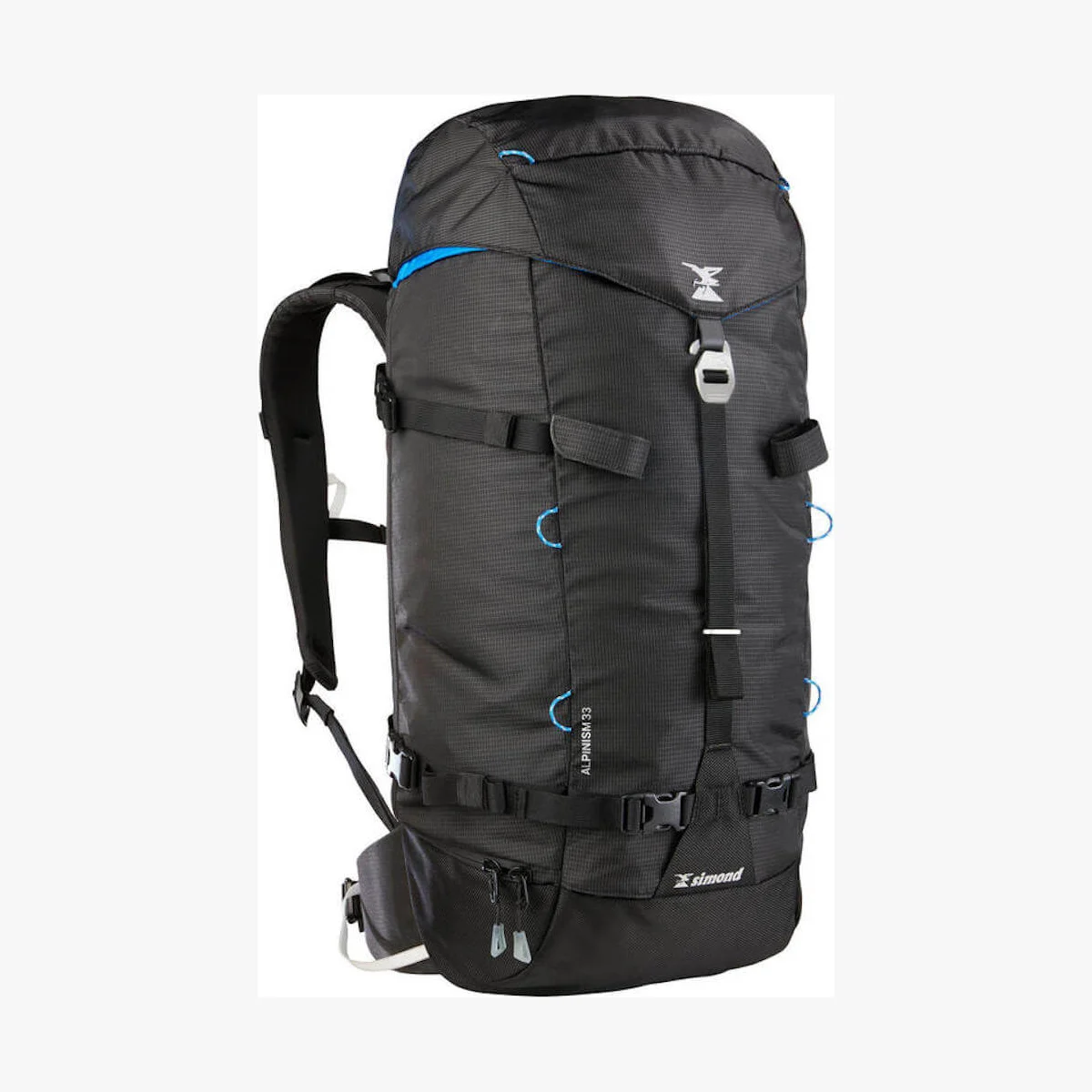
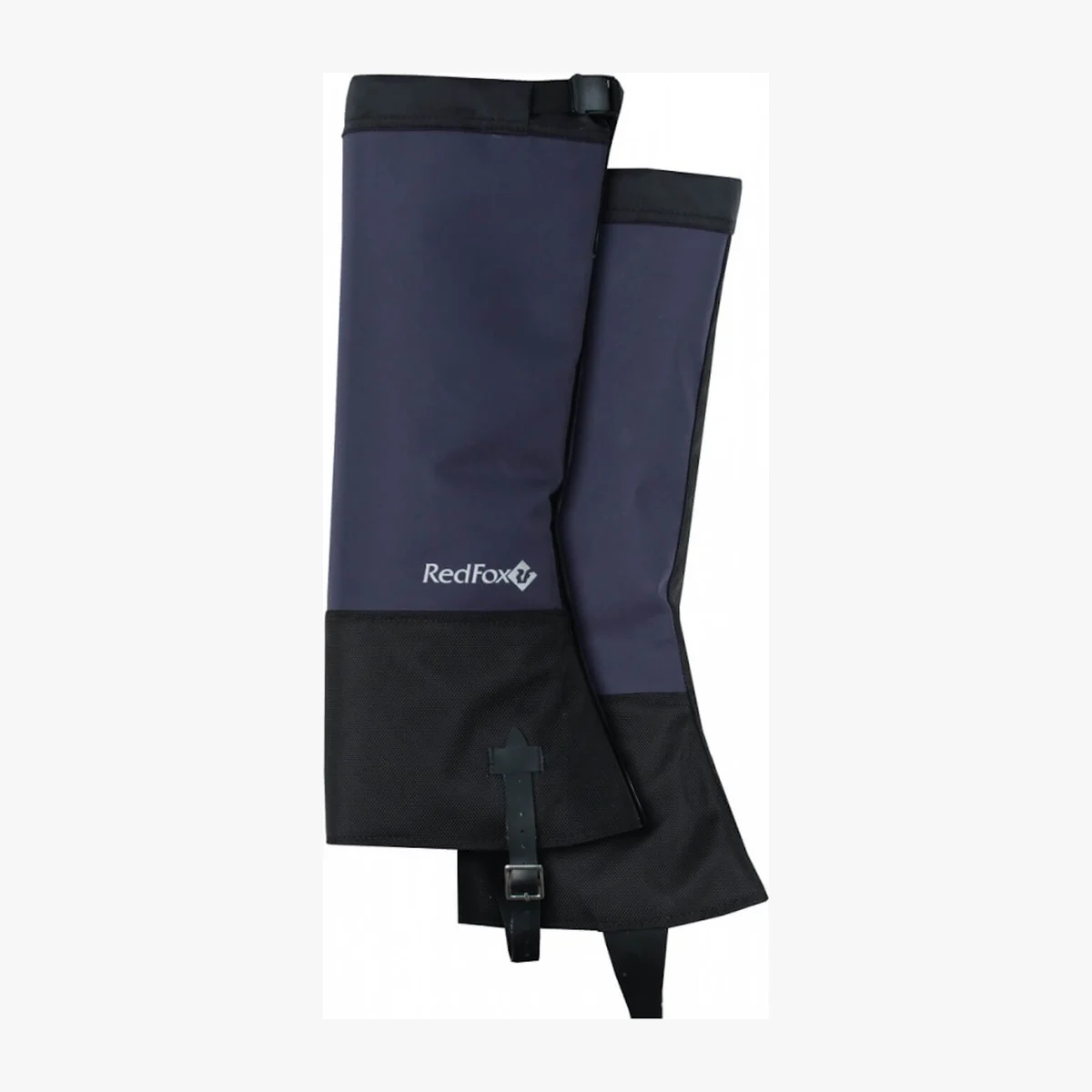
Add it to the calculator, then adjust days and quantity
The calculator uses the same live price per summer calendar day shown on this page. The minimum charge is one day and there is no automatic long-rental discount. Availability, fit and the final deposit are confirmed by Rock’N’Rent.
trekking boots questions
Do trekking boots replace mountaineering boots on Mount Elbrus?
Usually not. Many programs use trekking boots for approaches and acclimatization, then require warmer crampon-compatible mountaineering boots for higher terrain. Follow the current program and guide.
How do I reserve this item in Terskol?
Send Rock’N’Rent your dates, number of rental days and any required size on Telegram. We confirm the available item, fit where applicable, final price and deposit before collection in Terskol.
How is the rental price calculated?
The page shows the current price for one item per summer calendar rental day in US dollars, with a minimum charge of one day. Collect after 16:00 for use the next day and the rest of the collection day is free. Return by 11:00 after the last paid day so the return day is not charged. Availability, deposit and final amount are confirmed before collection.